Easy Meal Planning for a Healthier Week at Home

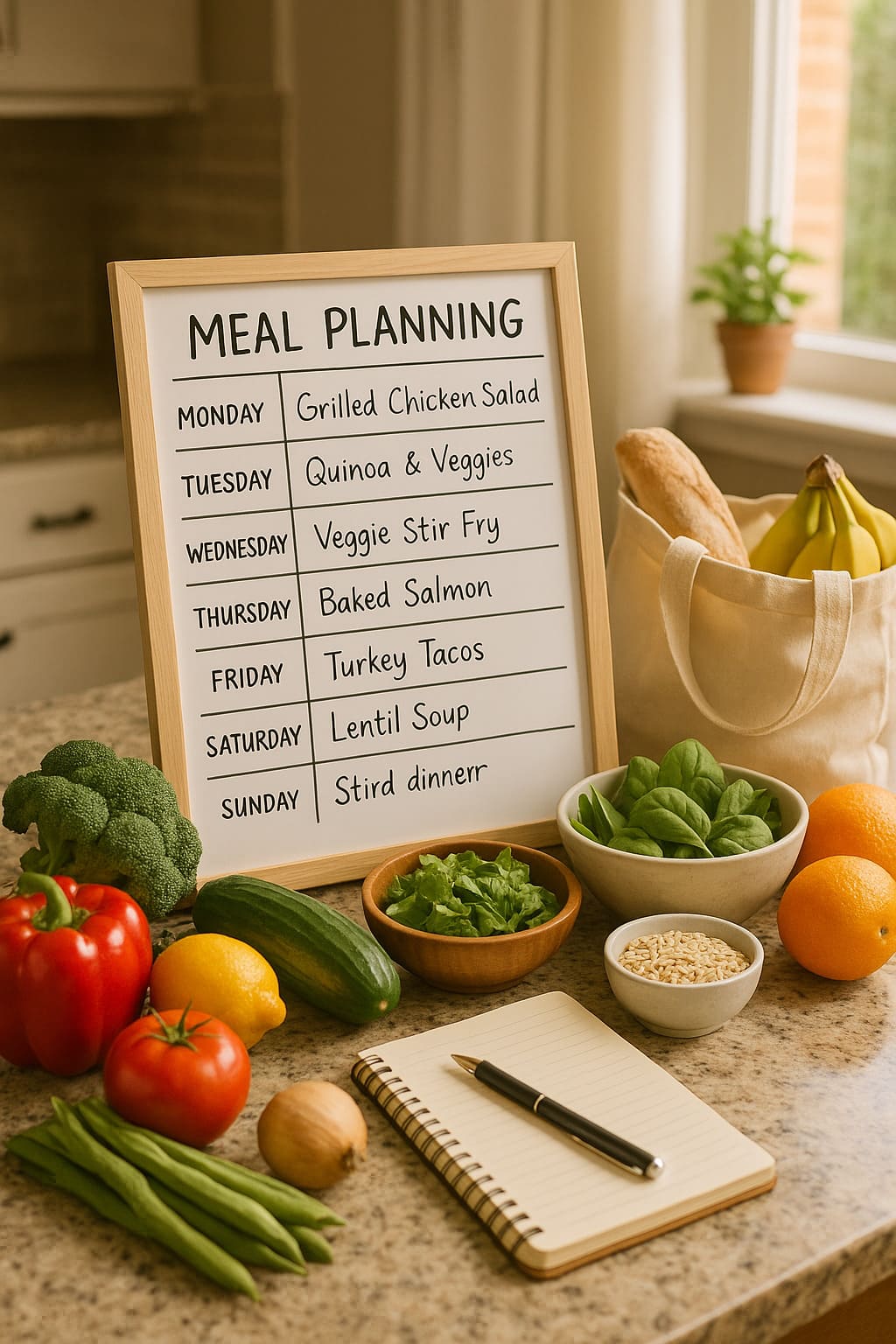
Planning your weekly meals doesn’t have to be overwhelming. While a well-designed kitchen forms the foundation for healthy eating (as we explored in our comprehensive guide on Designing a Kitchen that Supports Healthy Eating), the real transformation happens when you implement smart meal planning strategies. Easy meal planning for a healthier week at home isn’t just about saving time – it’s about creating sustainable habits that support your wellness goals. Studies show that people who plan their meals consume 23% more servings of fruits and vegetables and save an average of $125 per month on groceries.
What You’ll Discover in This Guide:
🥗 The 3-Step Sunday Prep System – Transform 2 hours into a week of healthy meals
📊 Science-Backed Meal Timing – Optimize when you eat for better energy
🎯 The 80/20 Planning Rule – Balance structure with flexibility
💡 Smart Batch Cooking Techniques – Cook once, eat healthy all week
🔄 Leftover Transformation Strategies – Turn extras into exciting new meals
Ready to revolutionize your weekly eating habits? Let’s dive into the specific techniques that make meal planning effortless and effective.
📅How Simple Meal Planning Can Reduce Stress and Boost Your Well-Being at Home

Did you know that 87% of people who meal plan report feeling less stressed about daily food decisions? When you implement easy meal planning for a healthier week at home, you’re not just organizing meals – you’re investing in your mental and physical well-being. This specific approach to meal planning addresses the unique challenges of maintaining healthy eating habits within your home environment, making it easier to resist the temptation of unhealthy convenience foods and expensive takeout options.
☀️The Sunday Power Hour: Your Weekly Game-Changer
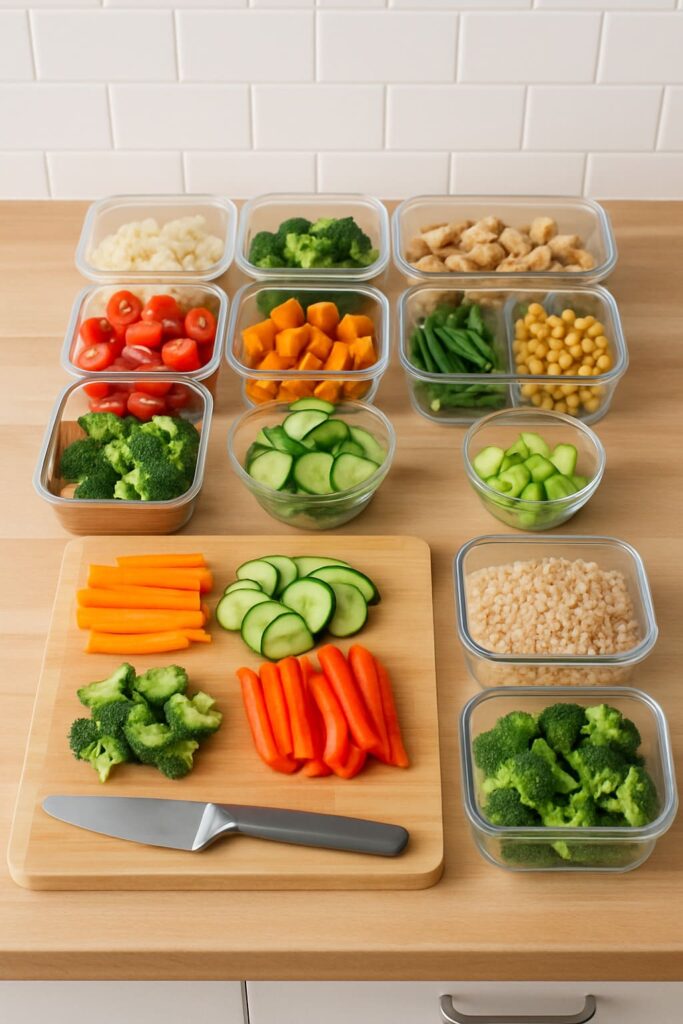
The key to successful meal planning starts with dedicating just one focused hour each Sunday. Begin by taking inventory of what’s already in your pantry and refrigerator – this simple step alone can reduce food waste by up to 40%. Next, create your weekly menu based on these ingredients, incorporating seasonal produce for optimal nutrition and cost savings.
Pro Tip: Use the “Rule of Three” – choose three proteins, three vegetables, and three healthy carbs as your base ingredients for the week. This creates multiple meal combinations without overwhelming complexity.
🛒🛍️Smart Grocery Shopping for Meal Planning Success
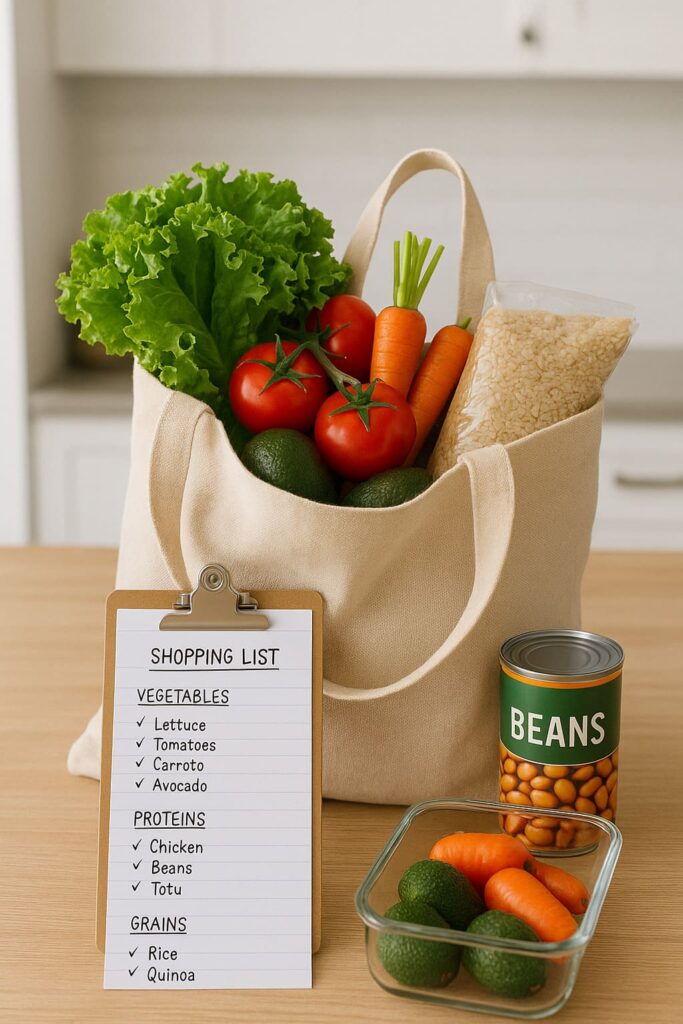
Strategic shopping is crucial for effective meal planning. Organize your shopping list by store layout to save time, and always shop with a full stomach to avoid impulse purchases. Focus on versatile ingredients that can be used in multiple meals throughout the week. For instance, a rotisserie chicken can provide protein for salads, sandwiches, soups, and grain bowls. Remember to check your local store’s sales flyers and plan meals around seasonal produce for maximum savings and freshness.
📋The Batch Cooking Blueprint
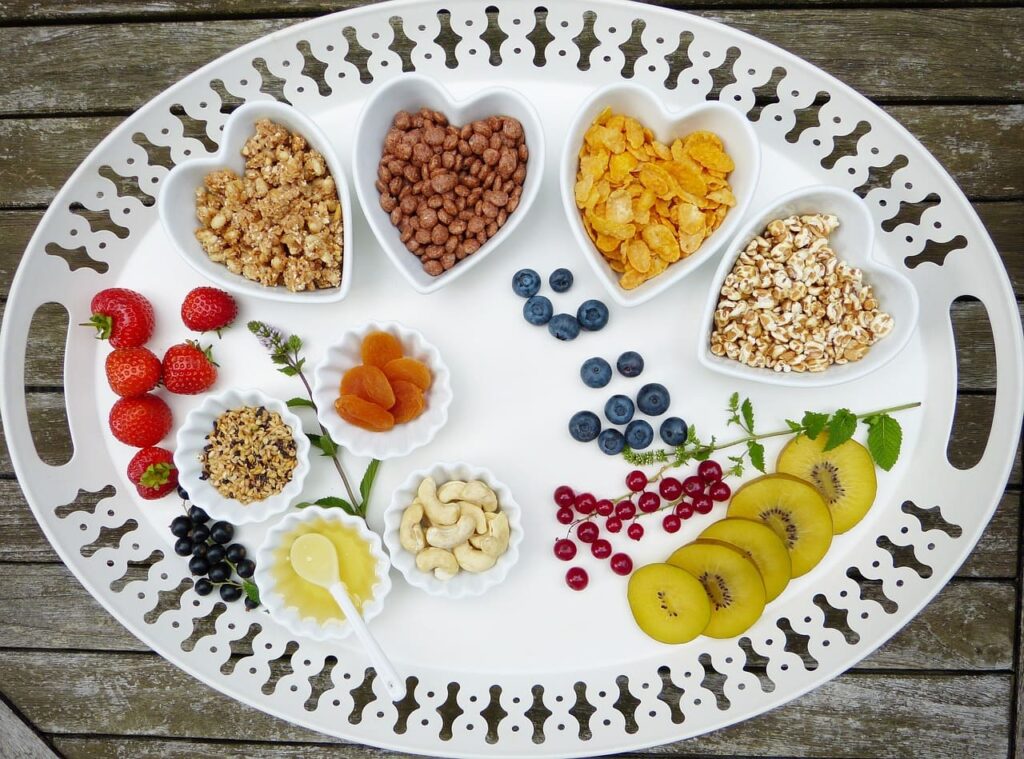
Master the art of batch cooking to transform your meal planning efficiency. Start by preparing base ingredients that can be mixed and matched throughout the week:
- Cook 2-3 whole grains (quinoa, brown rice, farro) in large batches
- Prep 3-4 protein sources using different cooking methods (grilled, baked, slow-cooked)
- Wash and chop vegetables storing them properly to maintain freshness
- Prepare 2-3 homemade sauces or dressings in mason jars
Success Story: Sarah, a busy mom of two, reduced her daily cooking time from 45 minutes to just 15 minutes by implementing these batch cooking strategies, while increasing her family’s vegetable intake by 60%.
🧩Adapting Meal Plans for Different Dietary Needs
One common challenge in meal planning is accommodating various dietary preferences or restrictions within the same household. The solution lies in creating modular meals where components can be customized. For example, prepare a taco bar with separate stations for proteins (both meat and plant-based), toppings, and different tortilla options including lettuce wraps.
Attention: When planning for special diets, always prep allergen-free items first to avoid cross-contamination, and clearly label containers with dietary information.
Regional tip: Take advantage of local farmers’ markets for fresh, seasonal ingredients that can add variety to your weekly meal plans while supporting your community.
✅Bringing It All Together: Your Meal Planning Success Path

Easy meal planning for a healthier week at home is more than a time-saving strategy – it’s an investment in your family’s health and happiness. By implementing the Sunday prep system, mastering batch cooking, and staying flexible with your approach, you’ll find that healthy eating becomes second nature. Remember, the goal isn’t perfection but progress. Start with planning just three meals this week, then gradually expand as you build confidence. Your well-designed kitchen, combined with these meal planning strategies, creates a powerful foundation for lasting healthy habits. Frequently Asked Questions About Weekly Meal Planning
💡Frequently Asked Questions About Weekly Meal Planning

🤔 Q: How do I prevent meal prep burnout?
A: Rotate your meal themes weekly (Mexican Monday, Italian Tuesday), involve family members in planning, and always include one “fun” meal to look forward to. Remember the 80/20 rule – plan 80% of meals and leave 20% flexible.
⏰ Q: What if I don’t have 2 hours on Sunday for prep?
A: Break prep into smaller sessions – wash vegetables one evening, cook grains another. Even 30 minutes of prep makes a significant difference. Consider using a slow cooker or instant pot for hands-off cooking.
🥗 Q: How do I keep prepped vegetables fresh all week?
A: Store cut vegetables in airtight containers with a damp paper towel. Keep herbs fresh by treating them like flowers – stems in water, covered loosely with a plastic bag. Prep hardy vegetables like carrots and celery, but wait to cut delicate items like lettuce until needed.
💰 Q: Is meal planning really more cost-effective than buying prepared foods?
A: Absolutely! Families save an average of $1,500 annually through meal planning. You’ll reduce food waste, avoid impulse purchases, and can buy ingredients in bulk for better prices.
🧳Resources and Next Steps

Ready to transform your eating habits? Start with our comprehensive guide: Designing a Kitchen that Supports Healthy Eating
📚🚀Related Cluster Articles:
- 🧊🥩How to Prep and Freeze Healthy Homemade Meals
- 🍉7 Must-Have Kitchen Tools for a Balanced Diet
- 🏡👩🍳How to Set Up a Functional, Healthy Kitchen
🌐External Resources:
Your Turn: What’s your biggest meal planning challenge? Share your experience in the comments below, and don’t forget to download our free weekly meal planning template to get started on your journey to healthier eating at home!
Related Articles


About the Author

0 Comments