How to Start a Vegetable Garden for Beginners 2026

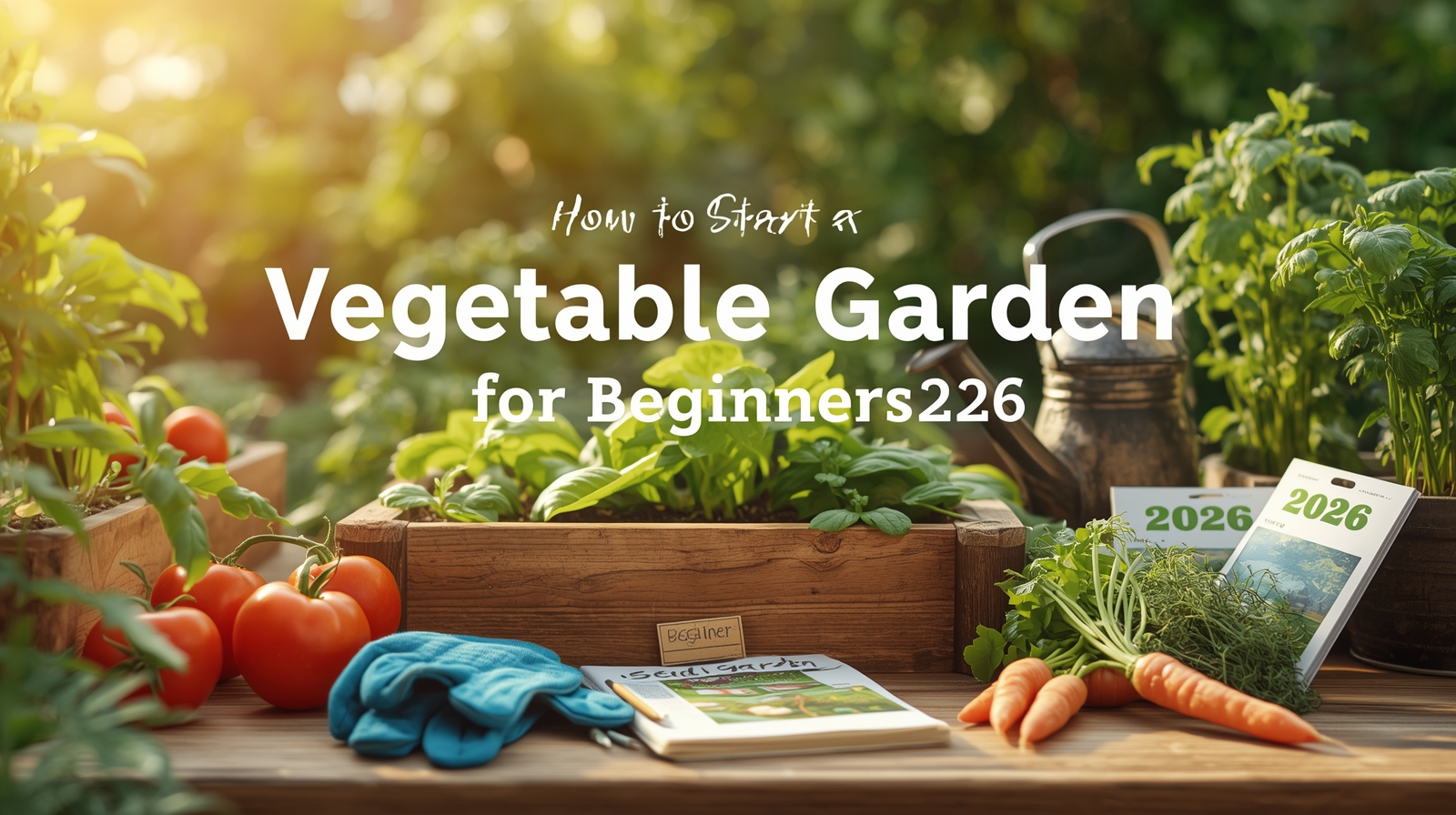
Starting a vegetable garden refers to the planned process of cultivating edible plants in a home environment to ensure food security and nutritional quality. In 2026, this practice integrates sustainable soil regeneration methods with digital tools to maximize yield in small or urban spaces.
- “What constitute the basics of a beginner vegetable garden?”
- “How to plan a vegetable garden step-by-step?”
- “Raised beds versus in-ground gardening pros and cons?”
- “How much sunlight does a vegetable garden need?”
- 🌱 Definition & Core Concepts
- 🛠️ Step-by-Step Process
- ⚖️ Raised Beds vs. In-Ground
- 📊 Cost & Yield Data
What exactly is a modern vegetable garden?
A home vegetable garden is a managed cultivation system designed to produce vegetables, herbs, and fruits for personal consumption. Unlike ornamental gardening, the primary focus here is productivity, nutritional density, and efficient crop rotation throughout the growing seasons.
Historically viewed as distinct from landscaping, in 2026, vegetable gardening is defined as a critical component of household sustainability and “edible landscaping.”
Fundamental components of a thriving garden:
- Living Soil: Substrate rich in organic matter (compost) with proper drainage.
- Photoperiod: A minimum of 6 to 8 hours of direct sunlight daily is non-negotiable.
- Water Access: Consistent irrigation sources near the planting site.
Visual Representation:
Think of the “Growth Loop”: Healthy Soil → Viable Seed → Sun/Water → Harvest.
“The most important tool in the potting shed is knowledge. Success starts with soil preparation before a single seed is planted.” — Master Gardeners, Cooperative Extension Service [extension.org]
How to implement your vegetable garden plan
To successfully implement your garden, follow these structured steps designed for efficiency and quick wins for beginners.
Complete Process:
Step 1: Site Selection and Analysis
Choose a flat area that receives full sun (6-8 hours). Avoid “frost pockets” at the bottom of hills and strong wind tunnels. Proximity to a water spigot minimizes chore time.
- Estimated Duration: 1-2 hours.
- Tools Needed: Smartphone compass app, measuring tape.
- Completion Criteria: Site marked with stakes; confirmed sun exposure.
Step 2: Soil Preparation & Bed Construction
Ideal soil is loamy and dark. Remove existing grass (sod). If your native soil is heavy clay or too sandy, raised beds are the best solution for beginners in 2026 to control the environment. Mix topsoil with compost (ratio 60/40).
- Estimated Duration: 4-6 hours (weekend project).
- Tools Needed: Shovel, garden fork, organic compost/soil mix.
- Completion Criteria: Loose, debris-free soil ready for planting.
Step 3: Planting (Seeds or Transplants)
Plant cool-season crops (lettuce, peas) in early spring and warm-season crops (tomatoes, peppers) after the last frost date. Follow the depth instructions on the seed packet strictly.
- Estimated Duration: 2-3 hours.
- Tools Needed: Trowel, seeds/starts, watering wand.
- Completion Criteria: All plants in the ground and thoroughly watered (soaked).
⬇️ Vertical Flowchart: Select Site -> Prep Soil -> Plant -> Water -> Monitor
Raised Beds vs. In-Ground Gardening: Objective Comparison
When analyzing how to start a vegetable garden, consider these distinct factors to choose the method that fits your 2026 lifestyle.
| Criteria | Raised Bed Gardening | In-Ground Gardening |
|---|---|---|
| Startup Cost | Moderate/High (Lumber & Soil) | Low (Basic tools only) |
| Soil Control | Immediate (You buy the mix) | Slow (Requires amending) |
| Physical Effort | Low (Less bending) | High (More tilling) |
| Weed Control | Excellent/Manageable | Difficult |
Analysis:
Raised Beds outperform in-ground gardening for beginners due to superior drainage, warmer soil in spring, and physical ease. In-Ground Gardening is preferable only if you have high-quality native soil and a zero-budget requirement.
Ideal Scenarios for Raised Beds:
- Urban backyards with poor or compacted soil.
- Beginners wanting a tidy, organized look.
Ideal Scenarios for In-Ground:
- Large plots growing space-hogging crops (corn, pumpkins).
- Tight budgets where labor can substitute cash.
Essential Data and Statistics on Home Gardening
Here are the most relevant numbers regarding the impact and output of a beginner vegetable garden.
Verifiable Statistics:
- $600 to $700: The estimated annual grocery savings for a typical 600-square-foot garden [National Gardening Association].
- 1:8 Ratio: For every $1 invested in seeds and supplies, home gardeners yield approximately $8 worth of produce.
- 10-20 lbs: A single healthy tomato plant can produce between 10 to 20 pounds of fruit per season depending on variety and care.
Practical Implication:
Starting a garden is legally one of the few hobbies with a positive ROI (Return on Investment) exceeding 500% in the first year if started from seed.
📊 Data Source: National Gardening Association & Cooperative Extension estimations.
Example questions asked about starting a garden:
How much does it cost to start a vegetable garden for beginners?
A basic small garden (4×8 feet) typically costs between $100 and $300 to start if building a raised bed and buying soil. Using existing soil drops the cost to under $50.
Key context: The biggest expense is high-quality soil, which is a one-time investment.
What are the easiest vegetables to grow for beginners?
Lettuce, radishes, green beans, and zucchini are widely considered the easiest crops because they germinate quickly and are disease-resistant.
Key context: Beginners should avoid cauliflower or celery, which are temperamental regarding temperature.
When should I start planting my garden in 2026?
You should start planting after the last frost date in your area for warm crops like tomatoes. Cool crops (spinach) can be planted 4-6 weeks before the last frost.
Key context: Always check the USDA Hardiness Zone map for your specific zip code.
Recent Developments in Vegetable Gardening (2026)
The landscape of [keyboard: home gardening] has evolved to address climate shifts and technology.
Predictions & Trends:
- Short Term (2026): A massive spike in demand for drought-tolerant seeds and “chaos gardening” methods due to unpredictable weather patterns.
- Medium Term (2027+): Integration of AI-driven apps that diagnose plant diseases via smartphone cameras will become the standard for pest management.
📅 Last Updated: November 2025 – This section is reviewed bi-annually for accuracy.
- 📚 Need the detailed plan? [Complete Beginner’s Guide to Vegetable Gardening 2026 – From Zero to Harvest]
Related Articles
About the Author

0 Comments