7 Edible Landscaping Ideas for Your Backyard Harvest in 2026

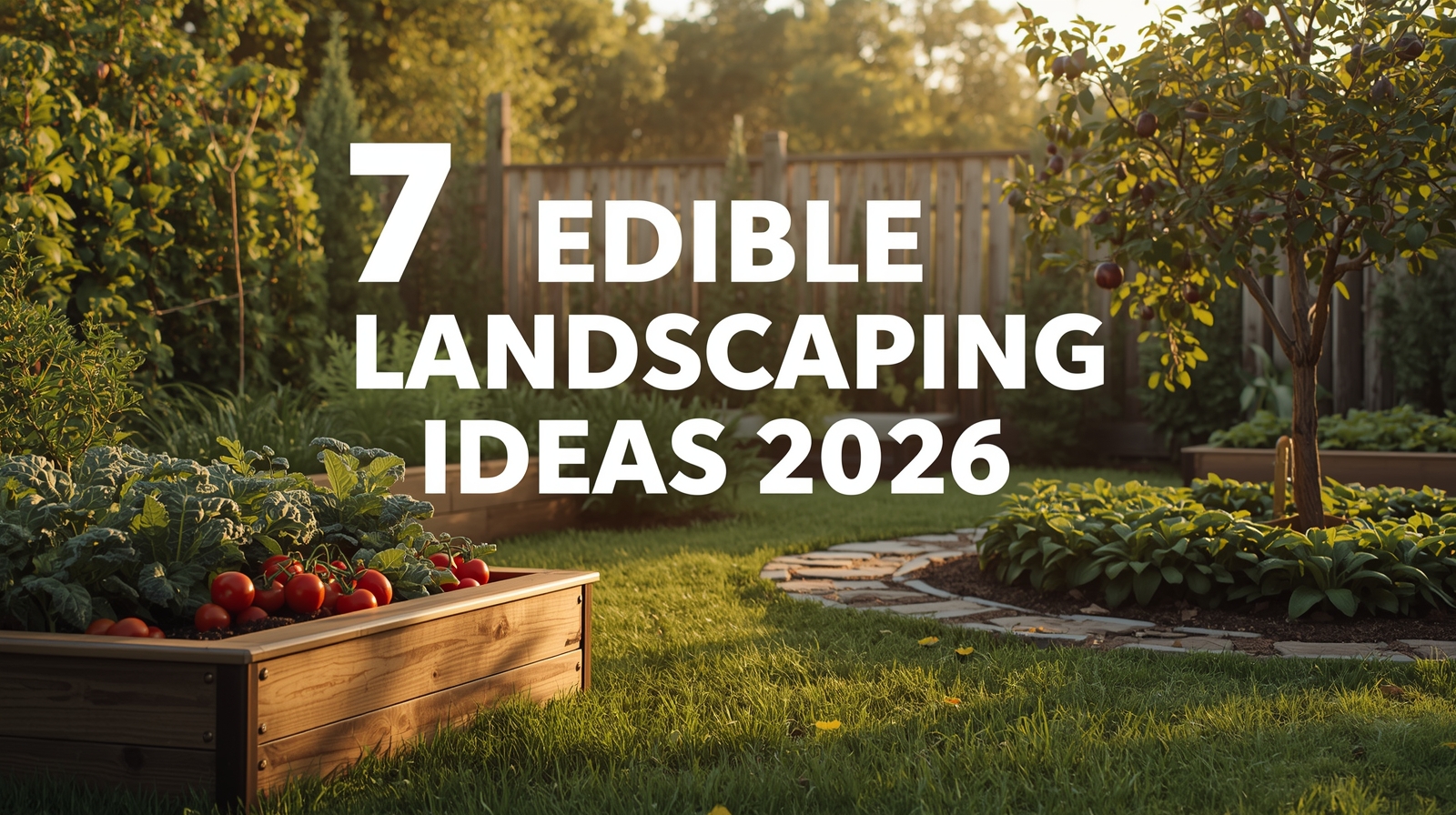
The era of the “manicured green lawn” is officially ending. As we approach the 2026 growing season, American homeowners are shifting massively toward Foodscaping—the art of integrating edible plants into ornamental garden designs.
With grocery prices fluctuating and a growing desire for chemical-free food, your backyard is no longer just for show; it is an asset.
But “edible landscaping” doesn’t mean turning your yard into a messy farm. It means smart design. It means replacing useless hedges with blueberry bushes, and swapping decorative ivy for climbing beans.
In this extensive guide, we explore 7 Edible Landscaping Ideas for Your Backyard Harvest in 2026, focusing on high-yield, low-space solutions that look beautiful and taste even better.
🌱 7 Edible Landscaping Ideas for Your Backyard Harvest in 2026
Before we dig into the specific plants, it is vital to understand the shift in mindset for 2026.
According to recent gardening trends, the separation between “vegetable patch” and “flower garden” is disappearing.
Why the shift?
- Space Efficiency: Housing lots are getting smaller.
- Climate Resilience: Native fruiting plants often survive drought better than thirsty turf grass.
- Visual Depth: A raised bed of kale and marigolds looks undeniably better than a patch of weeds.
Let’s dive into the seven core pillars of a modern edible landscape.
1. Dwarf Fruit Trees (The “Miniature Orchard”)
Focus: Kiwi, Figs, and Citrus
The most common objection to planting fruit trees is: “I don’t have enough room.” In 2026, that excuse is obsolete thanks to genetic grafting and dwarf rootstocks.
The Rise of the Hardy Kiwi
Forget the fuzzy kiwis you buy at the store. The Hardy Kiwi (Actinidia arguta) is a game-changer for temperate backyards.
- The Look: These are vigorous vines that can be trained onto trellises or pergolas. They have lush, tropical-looking leaves.
- The Fruit: Grape-sized, smooth-skinned (no peeling needed), and sweeter than standard kiwis.
- 2026 Tip: Look for self-fertile varieties like ‘Issai’ so you don’t need a male and female plant taking up space.
The “Little Miss Figgy” Revolution
Figs are structural masterpieces. Their large, lobed leaves provide incredible texture to a garden design. New dwarf varieties, such as ‘Little Miss Figgy’ or ‘Fignomenal’, are bred specifically for patios and small yards.
- Size: They top out at 3-4 feet tall but produce full-sized fruit.
- Hardiness: With proper mulching, they can survive colder winters than their ancestors.
Why It Works for Landscaping
Dwarf trees provide the “Structural Layer” of your garden. They act as focal points in corners or centerpieces for flower beds, proving that you don’t need acres of land to grow an orchard youtube.com.
2. Raised Veggie Beds (The Architectural Anchor)
Focus: Structure, Soil Control, and Ergonomics
Raised beds are no longer just utilitarian boxes; they are the architectural bones of the edible landscape.
The Material Shift
In 2026, we are seeing a move away from treated lumber toward long-lasting, stylish materials:
- Corrugated Metal: sleek, modern, and rot-proof.
- Stone and Brick: Permanent structures that match the house masonry.
- Composite Wood: Made from recycled plastics, offering the look of wood with zero maintenance.
The “Square Foot” Efficiency
Raised beds allow you to control the soil quality perfectly. You aren’t fighting the clay or sand in your ground; you are building on top of it.
- Weed Control: Because you aren’t walking on the soil, it doesn’t get compacted.
- Ergonomics: Building beds 18 to 24 inches high saves your back and knees, making gardening accessible for all ages.
Design Tip
Don’t just build a square. Build U-shapes or L-shapes to create “garden rooms.” As noted by gardening experts, limiting the bed width to 4 feet ensures you can reach the center from both sides without stepping inside bhg.com.
3. Berry Bushes as Hedges (Edible Privacy)
Focus: Blueberries, Raspberries, and Currants
Why plant a Boxwood or Privet hedge that requires constant trimming and gives nothing back? The “Edible Hedge” is a top trend for suburban homes needing privacy.
The Blueprint for Berry Hedges
- Highbush Blueberries: These are the stars of edible landscaping. In the spring, they have delicate white bell flowers. In summer, you get delicious blue fruit. In fall, the leaves turn a stunning crimson red. They are truly a three-season ornamental plant.
- Requirement: Acidic soil. Use peat moss or pine needles.
- Raspberries/Blackberries: Use these for security. Their thorny canes create an impenetrable barrier against intruders (or deer).
- 2026 Trend: Thornless varieties specifically for family-friendly passageways.
The “Screening” Effect
If you have a nosy neighbor or an ugly view, a trellis with vining berries acts as a “Green Wall.” youtube.com. This offers a dual benefit: visual privacy and a literal snack wall for your children playing in the yard.
4. Herb Spirals (Permaculture Perfection)
Focus: Vertical Growing and Microclimates
For those with limited square footage, the Herb Spiral is the ultimate efficiency hack. It is a three-dimensional garden bed coiled like a snail shell.
How It Works (The Physics)
The spiral creates different “microclimates” in a 5×5 foot space:
- The Top (Sunny & Dry): The soil drains quickly here. Perfect for Mediterranean herbs like Rosemary, Thyme, and Oregano.
- The Middle (Moderate): Good for Basil, Sage, and Parsley.
- The Bottom (Shady & Wet): The water creates a pool at the base. Ideal for Mint (which loves water) or Lemon Balm.
Aesthetic Value
Built from river rocks, old bricks, or reclaimed pavers, an herb spiral looks like a sculptural art piece. It breaks up the flatness of a backyard and becomes a conversation starter during barbecues.
5. Espaliered Peaches on Walls (2D Gardening)
Focus: Stone Fruit and High Visual Impact
Espalier (pronounced es-pal-yay) is the ancient art of pruning a tree to grow flat against a wall or fence. It is sophisticated, high-end, and incredibly practical for modern small yards.
Why Espalier in 2026?
- Heat Efficiency: A brick or stone wall absorbs heat during the day and radiates it at night. This creates a warmer microclimate, allowing you to grow Peaches or Nectarines in cooler zones where they might usually struggle.
- Space Saving: A standard peach tree needs 15 feet of width. An espaliered tree needs only 12 inches of depth.
The Technique
You train the branches horizontally along wires.
- The Fan Shape: Easiest for stone fruits like peaches and cherries.
- The Cordon (Tiered): Best for apples and pears.
This turns a boring garage wall or a plain wooden fence into a “living tapestry” of blossoms in spring and hanging fruit in late summer. It is functional art at its finest thesurvivalmom.com.
6. Container Tomatoes (The Mobile Garden)
Focus: Determinate Varieties and Balcony Growing
Not everyone has “ground” to dig in. Container gardening remains king for renters and condo owners. But in 2026, we are moving beyond the ugly orange buckets.
The “Patio” Breeding Program
Breeders have spent the last decade perfecting “bush” or “patio” tomatoes.
- The Varieties: Look for ‘Tiny Tim’, ‘Patio Choice Yellow’, or ‘Tumbling Tom’.
- The Habit: These plants don’t grow 8-foot vines that need staking. They grow in tidy mounds that spill beautifully over the edges of pots.
Aesthetic Integration
Mix these edible containers with flowers.
- Design Idea: A large terra cotta pot with a central tomato plant, surrounded by cascading trailing nasturtiums (edible flowers) and purple basil. This combination repels pests naturally while looking like a magazine cover.
The Self-Watering Necessity
Tomatoes hate inconsistent watering (it causes splitting). The 2026 standard for containers is sub-irrigation planters. These have a water reservoir at the bottom, allowing the plant to drink as needed. This is crucial for surviving hot summers without hovering over your plants with a hose twice a day.
7. Nut Trees for Shade and Snacks (The Long Game)
Focus: Walnuts, Pecans, and Filberts
We often plant Maples or Oaks for shade. Why not plant a tree that cools your house and feeds you protein?
The “Overstory” Layer
Nut trees are large. They are the canopy of your edible landscape.
- Pecans: While they take years to mature, a single mature pecan tree can provide enough nuts for a family for a year. They provide dense, cooling shade that can lower your home’s AC costs.
- Hazelnuts (Filberts): If you don’t have space for a massive tree, Hazelnuts grow as large, multi-stemmed bushes. They grow fast and produce delicious nuts much sooner than walnuts.
The Sustainability Factor
Nut trees are carbon sponges. They are long-lived perennials that stabilize the soil and provide habitat for local wildlife. Planting a nut tree is a legacy act—you are planting it for 2026, but also for 2046 and beyond.
🎨 Designing Your Edible Landscape: Key Principles
Knowing what to plant is step one. Knowing how to arrange it is what separates a garden from a farm.
Texture and Color
Treat vegetables like flowers.
- Swiss Chard: The ‘Bright Lights’ variety offers neon pink, yellow, and orange stems that rival any exotic flower marrazzosgardencenter.com.
- Purple Kale: Use it as a border plant. Its ruffled, dark purple texture contrasts beautifully with the smooth green leaves of peppers or beans.
- Amaranth: Grows tall with dramatic red plumes, perfect for the back of a border.
Interplanting (Polyculture)
Don’t plant rows of only one thing. Mix them.
- Plant Marigolds between your tomatoes (repels nematodes).
- Grow Lettuce in the shade of your corn or sunflowers.
- Let squash vines act as a “living mulch” to cover the bare dirt.
💧 The 2026 Challenge: Water & Soil
An edible landscape is only as good as the resources fueling it.
Water Conservation Tech
With water rates rising, 2026 gardens must be smart.
- Drip Irrigation: Run black tubing under your mulch. It delivers water directly to the roots, reducing evaporation by 50%.
- Ollas: An ancient technique of burying unglazed clay pots filled with water. The plants’ roots wrap around the pot and pull moisture through the clay walls.
Soil Health: The “No-Dig” Method
Stop tilling your soil. Tilling destroys the fungal networks that help plants eat.
- Lasagna Gardening: Layer cardboard, compost, and mulch right on top of your grass. Plant directly into that. It suppresses weeds and builds rich, black soil over time.
⚖️ Comparison: Traditional vs. Edible Landscape
| Feature | Traditional Landscape (Lawn & Boxwood) | Edible Landscape (Foodscaping) |
|---|---|---|
| Maintenance | High (Mowing weekly) | Medium (Pruning/Harvesting) |
| Water Use | High (Grass is thirsty) | Medium (Targeted drip) |
| Output | Yard Debris | Fresh Produce ($$$ Savings) |
| Biodiversity | Low (Monoculture) | High (Polyculture) |
| Visuals | Static/Green | Dynamic/Colorful/Seasonal |
❓ Frequently Asked Questions (FAQ)
Will edible landscaping attract rats and pests?
Any food source can attract wildlife. The key is harvest hygiene. Pick fruit as soon as it is ripe; do not let it rot on the ground. Also, keeping compost bins sealed and using raised beds with hardware cloth on the bottom prevents burrowing rodents.
Is it expensive to start?
It can be. buying mature fruit trees is pricey ($50-$100 each). However, seeds are cheap. You can start a massive vegetable bed for the price of a few packets of seeds ($15). The biggest investment is usually the soil and hardscaping (wood/stone).
Can I do this in a distinct HOA?
Many HOAs hate vegetable gardens in the front yard. However, edible landscaping is the loophole. An HOA can ban a “cornfield,” but they rarely ban a “nice shrub” (which happens to be a blueberry bush) or a “decorative vine” (which happens to be beans). Design matters. If it looks neat, it usually passes.
🚧 Final Thoughts: Start Small, Grow Big
The mistake most people make in 2026 is ripping out their entire lawn in one weekend. That leads to burnout.
The Strategy: Pick one of the ideas above. Maybe start with two raised beds this spring. Next autumn, plant a fig tree. The following year, line your fence with raspberries.
Edible landscaping is a journey, not a renovation. By integrating these plants, you aren’t just decorating; you are creating a self-sustaining ecosystem that feeds your family and heals the planet, one backyard at a time.
📥 Want to Fast-Track Your Harvest?
Designing a garden from scratch can be overwhelming. Which plants kill each other? Which ones need shade?
We have taken the guesswork out of the process.
Read Next on the Blog:
Related Articles

About the Author

5 Comments
https://shorturl.fm/5eSeE
https://shorturl.fm/mH2P1
https://shorturl.fm/9qMiW
https://shorturl.fm/PlQK1
https://shorturl.fm/7TB9e