The Best Indoor Plants for Midwest Homes: A Complete Survival Guide for 2026

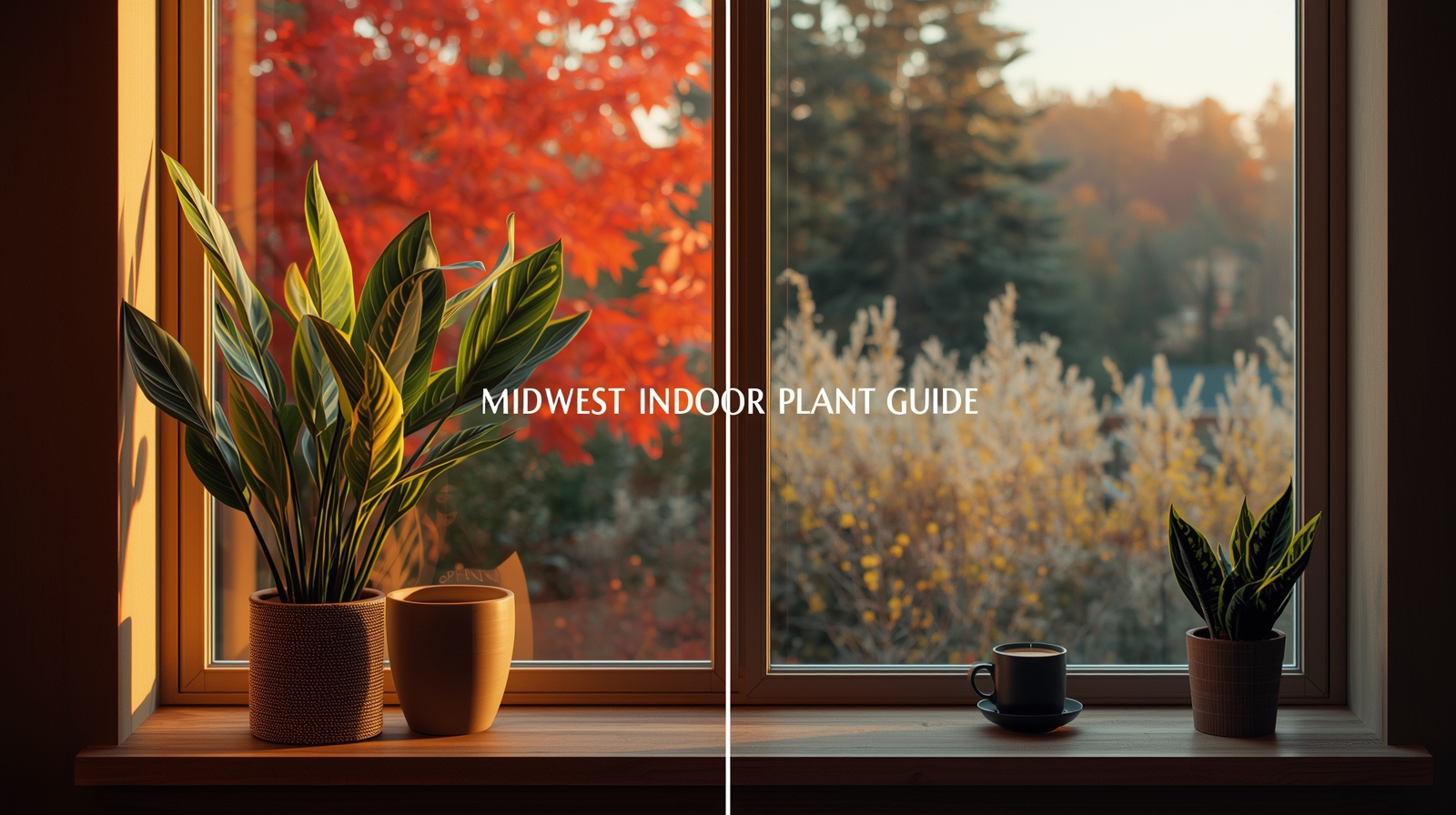
Living in the Midwest requires a special kind of resilience—and the same goes for your houseplants. Whether you are in Chicago, Minneapolis, or rural Ohio, you know the drill: summers are sweltering and humid, while winters are bone-dry and bitterly cold.
Finding the best indoor plants for Midwest living isn’t just about aesthetics; it’s about botany. You need plants that can handle the extreme swing from a 90°F humid July to a minus-degree February with forced-air heating blasting 24/7.
Most tropical plants sold in big-box stores are set up to fail in this region. They die the moment the furnace kicks on in November. But don’t worry—we have curated the ultimate list of survivors.
In this guide, we will cover the toughest indoor greenery for the Heartland and, for those with sunrooms, we will explore the beautiful connection with the top 10 fall blooming native plants in the midwest.
The “Furnace Factor”: Why Midwest Homes are Unique
Before we buy, we must understand the battlefield. The biggest enemy of indoor plants in the Midwest isn’t the cold outside; it’s the dry heat inside.
When your heater runs from November to April, indoor humidity can drop below 20%. For a tropical fern, this is a death sentence. The best indoor plants for midwest homes are those with thick, waxy leaves (cuticle) or water storage systems (rhizomes) that essentially carry their own canteen of water.
Here are the winners.
The Heavyweights: 5 Indestructible Indoor Plants for Midwest Winters
1. The Snake Plant (Sansevieria)
If there were an official houseplant of the Midwest, this would be it.
- Why it fits: It doesn’t care about drafts. You can put it near a radiator or a drafty old window, and it won’t flinch.
- Winter Care: During a Midwest winter, it goes dormant. You can literally stop watering it from December to February.
2. The Rubber Plant (Ficus elastica)
While the Fiddle Leaf Fig is famous for dying in Midwest winters, its cousin, the Rubber Plant, is a tank.
- The Benefit: Its thick, glossy leaves act as a barrier against dry air.
- Styling: The ‘Burgundy’ variety adds a deep, rich color that contrasts beautifully against the grey winter sky outside.
3. Jade Plant (Crassula ovata)
A succulent that actually enjoys the cooler ambient temperatures of a Midwest windowsill in winter.
- Longevity: These plants can live for decades, often being passed down as heirlooms.
- Midwest Tip: As the days get shorter in Illinois or Michigan, the Jade plant signals that it’s time to rest. Reduce watering significantly.
4. ZZ Plant (Zamioculcas zamiifolia)
We mentioned this in our Low Light Guide, but it is essential here. The ZZ Plant grows from rhizomes (potato-like tubers) that store water.
- Resilience: If you forget to water it because you are stuck dealing with a blizzard, it feeds off its own reserves.
5. Christmas Cactus (Schlumbergera)
A classic found in grandmothers’ homes across the Midwest for a reason.
- The Blooms: It actually needs the cool temperatures and long nights of a Northern autumn to trigger blooming. While other plants sleep, this one explodes with color in deep winter.
Bringing Autumn Indoors: Colors and Transitions
One of the best parts of living in this region is the spectacular fall foliage. However, as the frost hits, that color disappears quickly. You can extend that season inside.
While you cannot typically grow a Maple tree in your living room, you can select best indoor plants for midwest vibes that replicate those fiery reds and oranges.
- The Croton: With leaves of electric orange, yellow, and red, it looks like a captured piece of autumn. Warning: It needs high light (South window).
- Aglaonema ‘Red Siam’: Offers pink and red speckles that bring warmth to grey interiors without needing bright sun.
The Sunroom Connection: Native Plants & Fall Blooms
Many Midwest homes feature “three-season porches” or sunrooms. These transitional spaces are the perfect bridge between your indoor collection and the native garden.
If you have a sunroom or are looking to landscape your view from the indoor window, you should focus on native plants for autumn color in the midwest. These plants survive the freeze and provide a stunning visual backdrop for your indoor life.
Here are the top 10 fall blooming native plants in the midwest that you should plant right outside your window or keep in pots in unheated sunrooms:
- New England Aster: Explodes with purple flowers just as the rest of the garden dies.
- Goldenrod (Solidago): The classic yellow signal of Midwest autumn.
- Joe Pye Weed: Tall, dramatic pink blooms that look structurally amazing through a window.
- Autumn Joy Stonecrop: A succulent-like perennial that turns rusty red in late fall.
- Witch Hazel: A shrub that surprisingly blooms with yellow ribbons in late fall/early winter.
- Ironweed: Deep purple flowers that stand tall against wind.
- Purple Coneflower (Echinacea): Even after the petals fall, the seed heads attract goldfinches (great for birdwatching from indoors).
- Monarda (Bee Balm): Specifically varieties like Monarda Didyma. While mostly a summer bloomer, the seed heads provide texture. NC State Extension notes that varieties like ‘Panorama’ have strong plants and varying colors, making them great structure for the garden view.
- Beautyberry (Callicarpa): Famous for its shocking metallic purple berries in autumn. The Pearl Glam™ Beautyberry is a hybrid noted for dark purple foliage that provides color long into the season.
- Cardinal Flower: Strikes of bright red that attract the last hummingbirds of the season.
Using native plants for autumn color in the midwest effectively extends your “green season” visually, even if the plants are technically outside the glass.
3 Crucial Tips for Midwest Plant Parents
To keep your indoor collection alive from November to March, follow these rules:
1. The “Draft Check”
Midwest winds are brutal. Even a tiny crack in a window caulk can generate a freezer-burn draft.
- Test: On a windy day, hold a lit candle near your window frame. If the flame flickers, move your plants at least 2 feet away.
2. Compensate for Forced Air
Gas furnaces dry out the air instantly.
- Solution: Use a pebble tray. Fill a saucer with stones and water, and sit the pot on top. As the water evaporates, it creates a micro-climate of humidity around the plant without rotting the roots.
3. Follow the Light
In the Midwest winter, the sun angle changes dramatically. A spot that was sunny in July might be dark in December.
- Action: You may need to physically move your plants to a South-facing window for the winter months to ensure they get enough energy.
The number one killer of indoor plants in the Midwest isn’t the cold—it’s the confusion about watering during the heating season.
Final Thoughts
You don’t need to move to Florida to have a lush home. By choosing the best indoor plants for midwest conditions—like the sturdy Snake Plant or the enduring Jade—and complementing them with a view of native plants for autumn color in the midwest outside your window, you can enjoy year-round greenery.
The key is respecting the seasons. Let your plants rest in winter, and they will reward you with explosive growth when that first warm humid day hits in May.
Similar Posts;
Related Articles



About the Author

3 Comments
https://shorturl.fm/83aUl
https://shorturl.fm/xFGph
https://shorturl.fm/YX1OO