How to Use Aromatherapy for Better Sleep

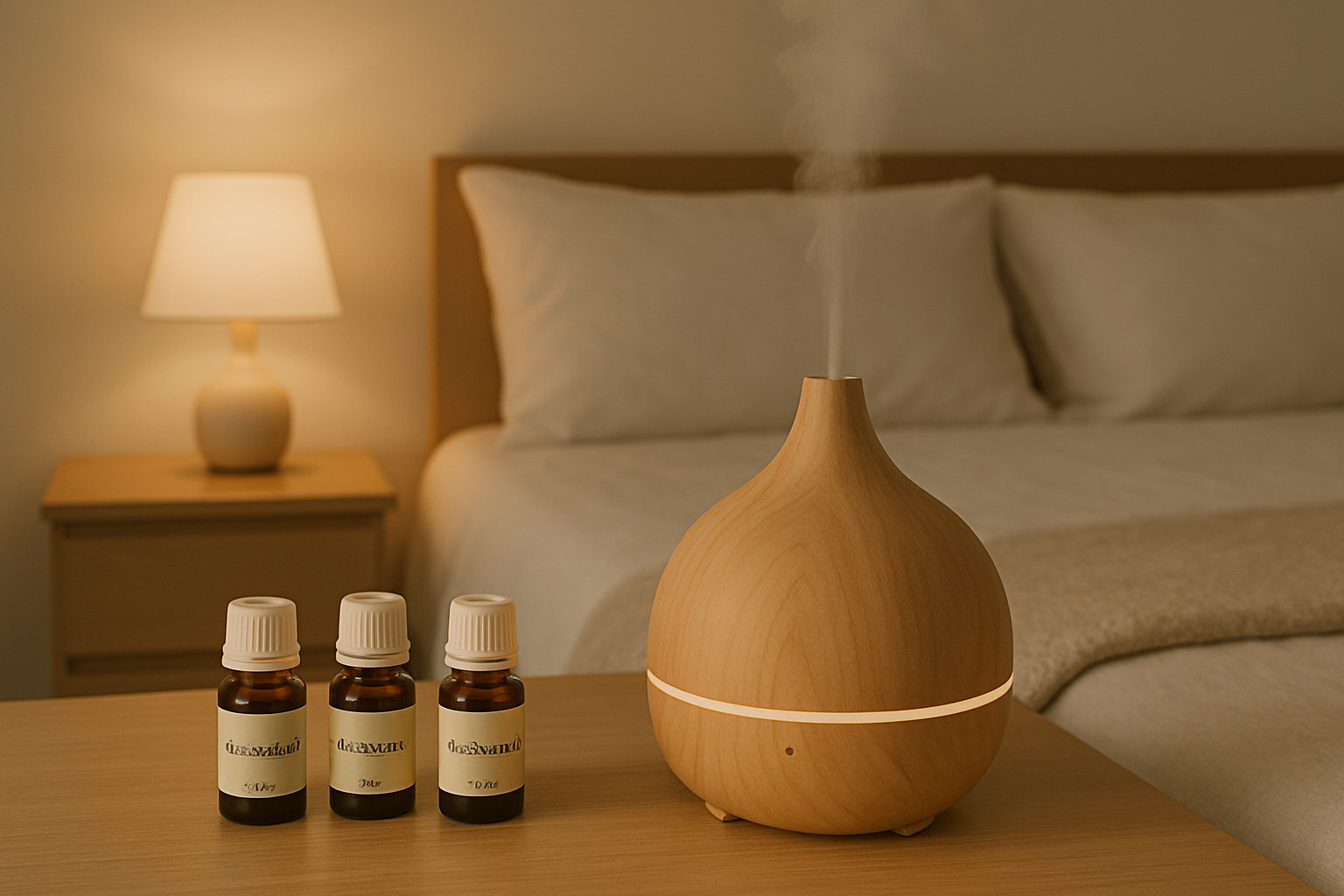
While creating a sleep-friendly home environment involves many factors like lighting, temperature, and noise control, aromatherapy stands out as one of nature’s most powerful tools for promoting deeper, more restorative sleep. If you’ve been struggling with restless nights despite optimizing your bedroom setup, incorporating specific essential oils and aromatherapy techniques could be the missing piece to your perfect sleep sanctuary. Research shows that certain scents can reduce cortisol levels by up to 25% and improve sleep quality within just one week of consistent use. This natural approach works by directly influencing your limbic system—the part of your brain that controls emotions and sleep cycles—making aromatherapy an essential component of any comprehensive sleep optimization strategy.
Quick aromatherapy sleep benefits:
🌸 Lavender reduces sleep onset time by 36% on average
💤 Chamomile naturally increases GABA production for deeper rest
🌿 Bergamot lowers nighttime anxiety and racing thoughts
🌙 Sandalwood promotes REM sleep quality
✨ Ylang-ylang helps regulate cortisol for consistent sleep schedules
Want the complete sleep environment guide? Check out our Creating a Sleep-Friendly Home Environment for all optimization strategies.
Recent studies from the International Journal of Nursing Practice found that 79% of participants experienced improved sleep quality within three nights of using aromatherapy. Unlike sleep medications that can create dependency, essential oils work with your body’s natural circadian rhythms. The olfactory system connects directly to brain regions controlling sleep, making scent one of the fastest ways to signal bedtime to your nervous system. When you smell lavender, for example, your brain releases neurotransmitters that naturally prepare your body for rest within minutes.
Choosing the Right Essential Oils for Sleep

Not all essential oils promote sleep—some actually energize and should be avoided in the evening. The most scientifically-backed sleep oils include lavender (reduces cortisol by 23%), Roman chamomile (increases deep sleep phases), and bergamot (lowers heart rate). Cedarwood and sandalwood work by releasing sedative compounds, while sweet marjoram specifically targets nervous system relaxation.
💡 Pro Tip: Always choose 100% pure, therapeutic-grade oils. Synthetic fragrances can actually disrupt sleep by triggering allergic responses or headaches.
Essential Oil Application Methods
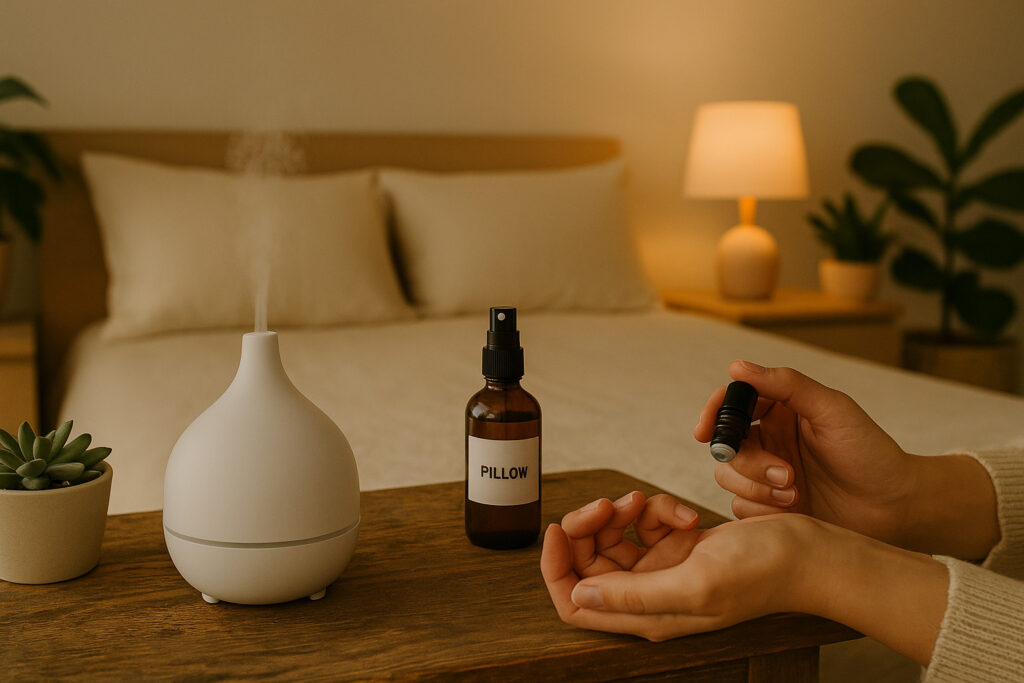
Diffusion methods comparison:
- Ultrasonic diffusers: Best for whole-room coverage, run 30-60 minutes before bed
- Pillow sprays: Direct application, mix 10 drops oil with 100ml water
- Topical application: Dilute with carrier oil, apply to temples and wrists
- Inhalation: 2-3 drops on tissue, placed near pillow
Each method offers different intensity levels and duration. For comprehensive bedroom optimization strategies, including optimal diffuser placement, see our Creating a Sleep-Friendly Home Environment.
Creating Your Bedtime Aromatherapy Routine

Step-by-step sleep aromatherapy protocol:
- 7 PM: Begin diffusing calming oils in bedroom (bergamot + lavender)
- 8 PM: Add 5 drops chamomile to evening bath
- 9 PM: Apply diluted lavender oil to pulse points
- 30 minutes before bed: Switch to pure lavender in diffuser
- Bedtime: Use pillow spray with sleep blend (lavender + cedarwood + marjoram)
Success story: Sarah from Portland reduced her sleep onset time from 45 minutes to 12 minutes using this exact routine for two weeks. She combined aromatherapy with blackout curtains and white noise for optimal results.
Addressing Common Aromatherapy Challenges
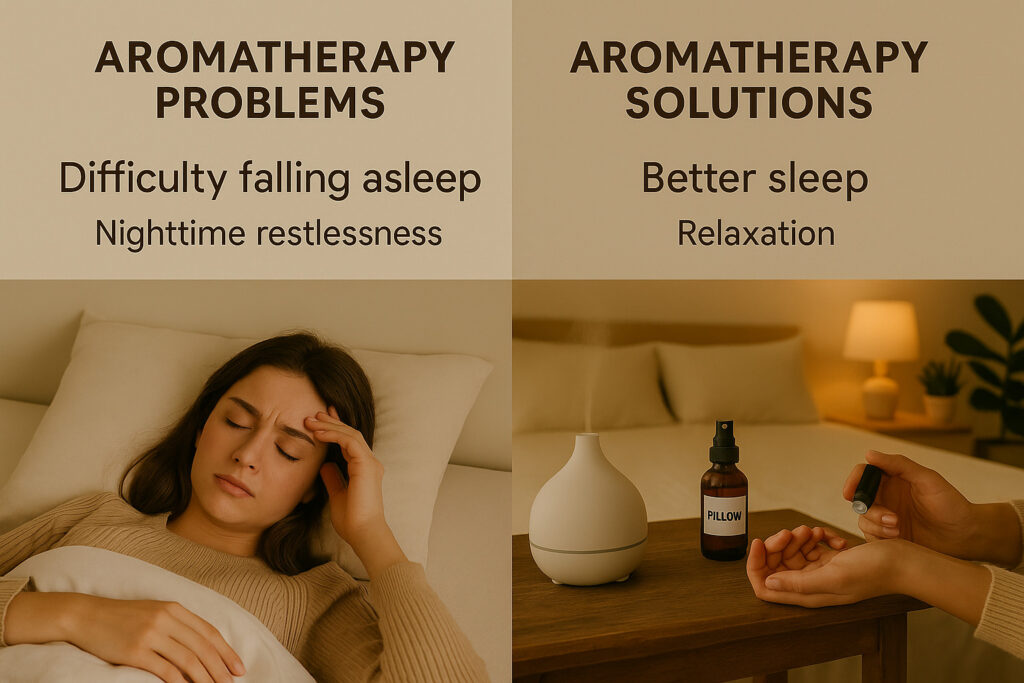
Scent sensitivity solutions:
- Start with ultra-diluted concentrations (1-2 drops per room)
- Try single oils before blends to identify triggers
- Use passive methods like reed diffusers for gentler release
- Consider hydrosols (flower waters) as milder alternatives
Seasonal variations: Summer requires lighter oils (lavender + peppermint), while winter benefits from warming scents (sandalwood + vanilla). Humidity affects oil diffusion—use less in humid months, more in dry conditions.
⚠️ Important: Pregnant women should avoid certain oils like rosemary and sage. Always patch-test new oils and consult healthcare providers when needed. For room-specific aromatherapy tips, check our Sleep-Friendly Home Environment.
Maximizing Your Sleep Aromatherapy Results
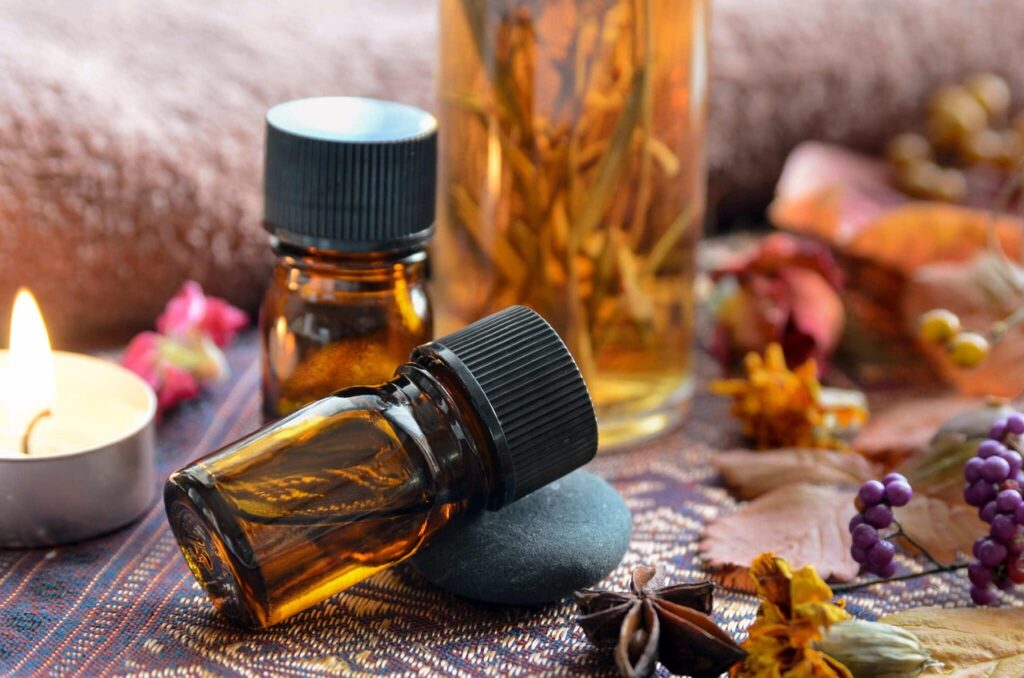
Consistency proves more important than intensity with aromatherapy for sleep. Using the same scent routine nightly trains your brain to associate specific aromas with bedtime, creating a powerful sleep trigger. Start with lavender alone for one week, then gradually introduce complementary oils. The key lies in finding your personal “sleep scent signature”—the specific combination that works best for your nervous system. Remember, aromatherapy works most effectively as part of a comprehensive sleep environment that includes proper lighting, temperature, and noise control as outlined in our master sleep guide.
Frequently Asked Questions About Sleep Aromatherapy

🌙 How long before aromatherapy improves my sleep?
Most people notice relaxation effects immediately, with significant sleep improvements appearing within 3-7 nights of consistent use. Deep sleep quality typically improves after 2-3 weeks.
💤 Can I use multiple essential oils simultaneously?
Yes, but start slowly. Begin with 2-3 oils maximum. Popular sleep blends include lavender + chamomile + bergamot, or cedarwood + sandalwood + sweet marjoram.
🌸 What if lavender doesn’t work for me?
About 10% of people find lavender stimulating rather than relaxing. Try chamomile, bergamot, or ylang-ylang as alternatives. Sometimes genetic variations affect how we process certain scents.
⏰ Should I run my diffuser all night long?
No, 30-60 minutes before sleep is optimal. Continuous diffusion can lead to scent adaptation, reducing effectiveness over time.
Take Your Sleep Environment to the Next Level
Ready to transform your entire sleep space? Aromatherapy works best when combined with proper lighting, temperature control, and sound management. Explore our comprehensive Creating a Sleep-Friendly Home Environment guide for the complete optimization strategy.
Related sleep solutions:
- Creating a Sleep-Friendly Home Environment: Your Complete Guide to Better Rest
- Best Mattress for Back Pain: What to Look For
- How Natural Light Affects Your Mental Health
What’s your experience with aromatherapy for sleep? Have you found certain scents more effective than others? Share your success stories in the comments below, and don’t forget to bookmark this guide for your bedtime routine tonight!
➡️ Start tonight: Pick one essential oil mentioned above and try the basic diffusion method 30 minutes before bed.
Related Articles




About the Author

0 Comments