Top 10 Fall Blooming Native Plants in the Midwest: The Ultimate Guide for a Colorful Autumn Garden

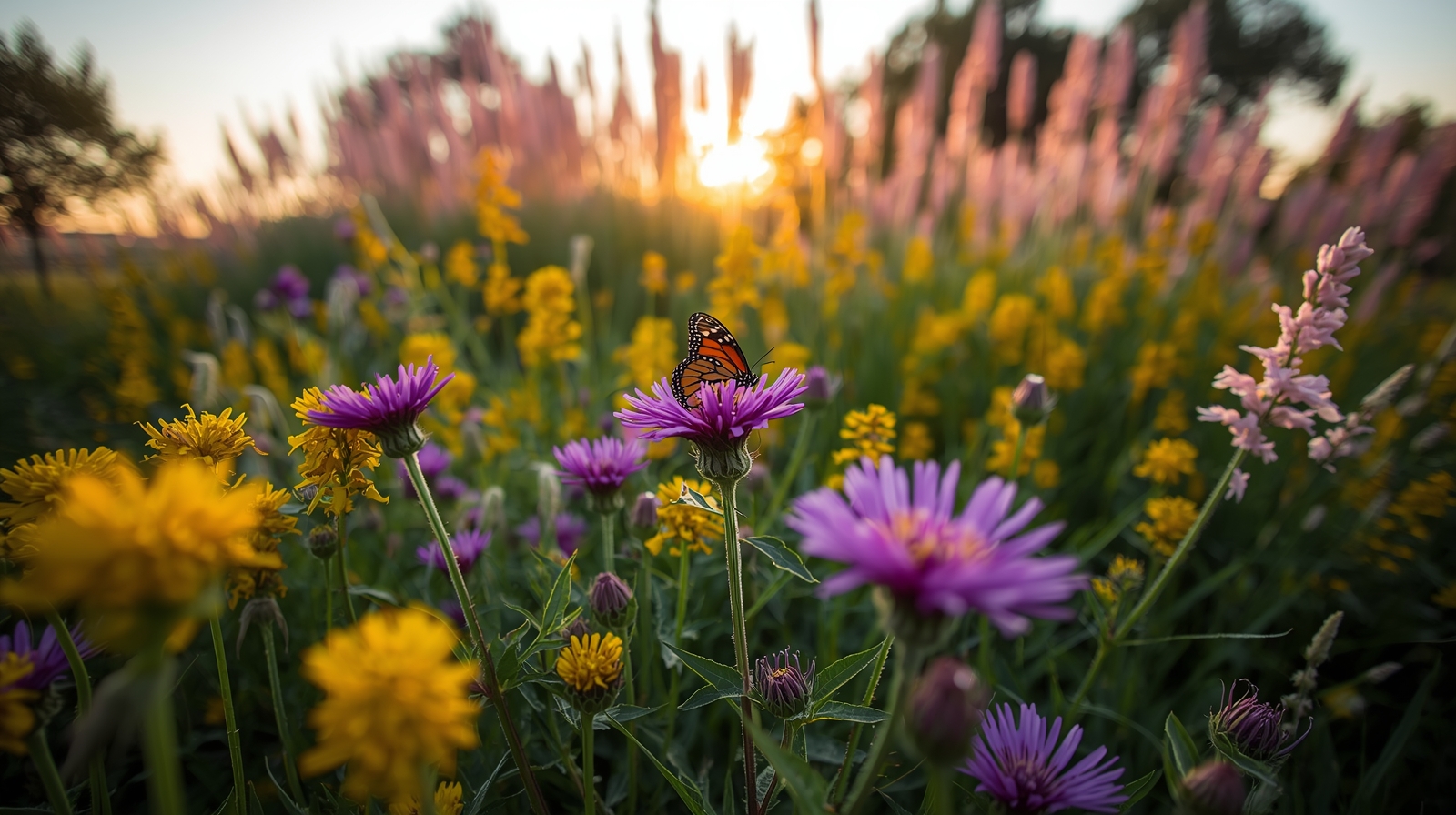
In the Midwest, there is a misconception that the gardening season ends on Labor Day.
We often believe that once the petunias fade and the humidity breaks, the garden turns brown until May.
This couldn’t be further from the truth.
In fact, the Midwestern prairie is biologically designed to put on its most spectacular show right before the frost hits.
If your garden looks dead in October, it is not because of the climate. It is because you are growing the wrong plants.
By choosing the top 10 fall blooming native plants in the midwest, you can extend your colorful season well into November.
More importantly, you provide a critical lifeline for pollinators on their final migration before winter.
This guide will walk you through the hardiest, most vibrant flowers that actually prefer the cooling temperatures of the Heartland.
Why Choose Native Plants for the Midwest?
Before we dive into the list, we need to understand why “Native” matters.
The Midwest climate is brutal. We face scorching summers, drought, heavy clay soil, and freezing winters.
Plants native to this region have evolved over thousands of years to survive exactly these conditions.
They have deep root systems that can punch through clay and find water during “Dog Days” of August droughts.
They do not need to be babied. They do not need chemical fertilizers.
Once established, these plants are essentially effortless.
They are also the primary food source for local bees, butterflies, and moths preparing for hibernation or migration.
Here is the definitive list of the survivors that bring beauty to the gray days of autumn.
1. New England Aster (Symphyotrichum novae-angliae)
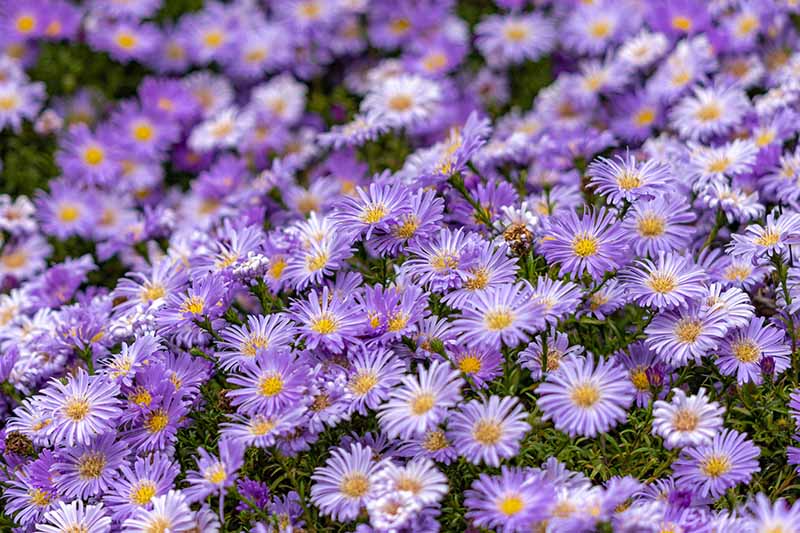
The Purple Heavyweight
If you plant only one flower from this list, make it the New England Aster.
It is undoubtedly the king of the top 10 fall blooming native plants in the midwest.
While everything else turns beige, the Aster explodes with hundreds of daisy-like flowers in deep violet, pink, and purple.
Why it thrives:
It loves full sun and can handle slightly damp soil, which is common in Midwest autumns.
Design Tip:
Asters can get tall and leggy.
If you pinch them back (trim the tops) in early July, they will grow bushier and produce more flowers in September/October.
Pollinator Bonus:
It is the absolute favorite pit-stop for Monarch butterflies fueling up for their journey to Mexico.
2. Showy Goldenrod (Solidago speciosa)

The Unfairly Accused Hero
Let’s clear up a myth: Goldenrod does not cause hay fever. That is Ragweed.
Goldenrod is insect-pollinated, meaning its pollen is heavy and sticky. It doesn’t float in the air to make you sneeze.
This plant produces brilliant, feathery plumes of sunshine yellow that last for weeks.
Why it thrives:
It laughs at poor soil.
You can plant this in the rockiest, driest clay in your yard, and it will still bloom.
Design Tip:
Pair Goldenrod next to New England Asters.
The contrast of bright yellow against deep purple is the classic color palette of the Midwestern prairie.
3. Joe Pye Weed (Eutrochium purpureum)
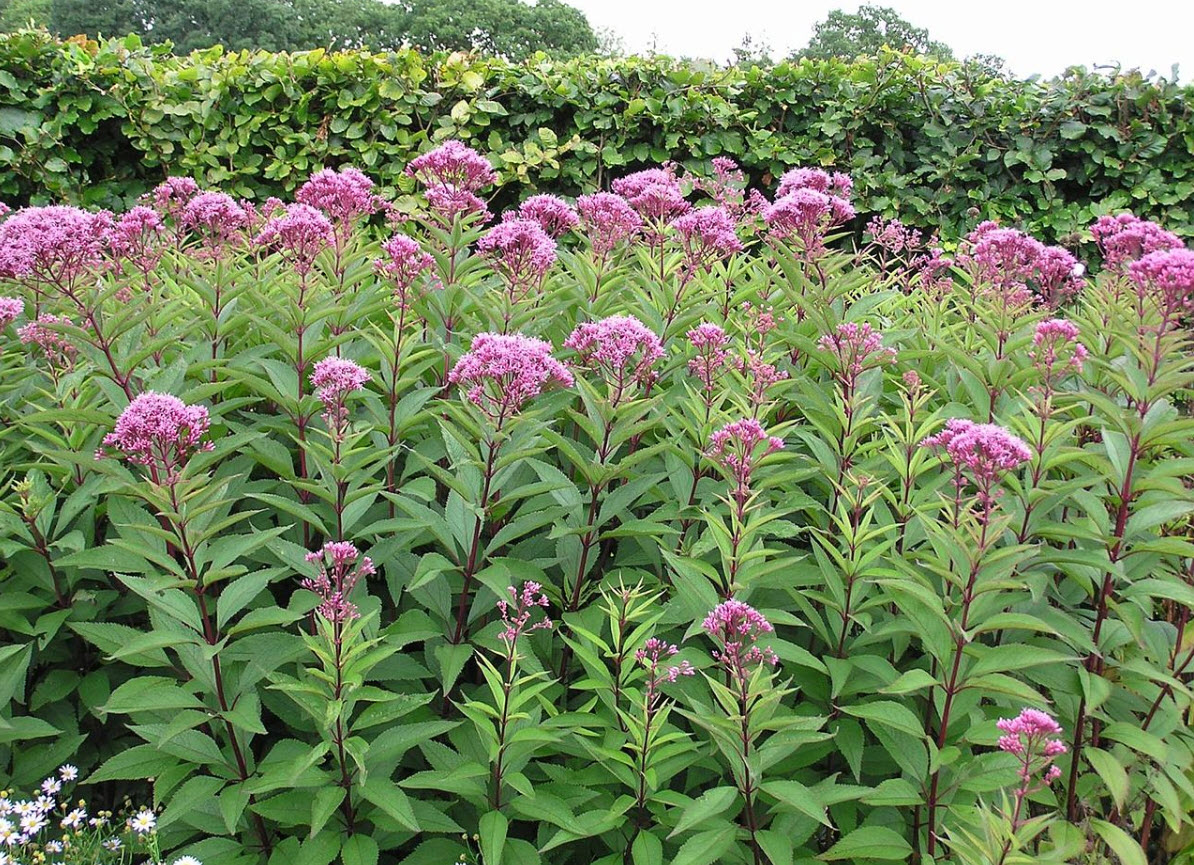
The Architectural Giant
Do you have a large space to fill? Joe Pye Weed is your answer.
Growing up to 5 or 7 feet tall, this plant creates a massive backdrop of vanilla-scented, dusty pink flowers.
It blooms from late summer usually straight through to the first hard frost.
Why it thrives:
It loves “wet feet.”
If you have a low spot in your yard that gets soggy after a Midwest thunderstorm, plant this here.
Design Tip:
Use it as a living fence.
Instead of a wooden privacy screen, plant a row of Joe Pye Weed to block the view of your neighbor’s garage.
4. Ironweed (Vernonia fasciculata)

The Intensity of Color
The name says it all. This plant has stems as tough as iron and keeps standing even in strong November winds.
But the real reason it made our list of top 10 fall blooming native plants in the midwest is the color.
Ironweed produces an electric, intense royal purple color that is almost impossible to find in other plants.
Why it thrives:
It is incredibly deer resistant.
The foliage is bitter, so Bambi will usually skip it and eat your Hosta instead.
Pollinator Bonus:
It serves as a host plant for the American Lady butterfly caterpillar.
5. Sweet Black-Eyed Susan (Rudbeckia subtomentosa)

The Late-Season Classic
Everyone knows the standard Black-Eyed Susan.
But the “Sweet” variety is taller, stronger, and blooms much later in the season.
It produces yellow petals with a dark chocolate center button.
Unlike the summer varieties which fade by August, this one keeps pushing blooms into early October.
Why it thrives:
It tolerates heat and humidity exceptionally well.
It rarely suffers from the powdery mildew that attacks other garden plants in late summer.
Design Tip:
The seed heads look great even after the petals fall.
Leave them up all winter to provide visual interest and seeds for birds.
6. Aromatic Aster (Symphyotrichum oblongifolium)
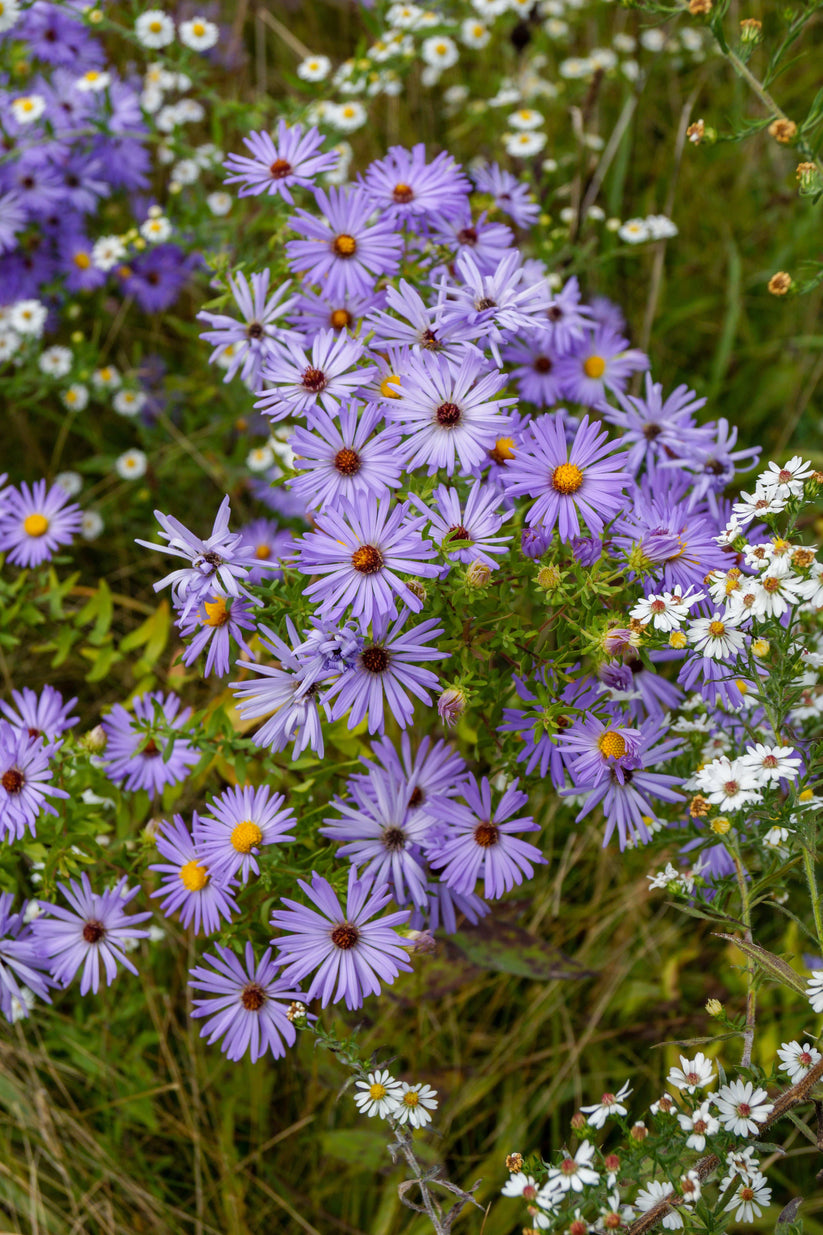
The Last One Standing
This is often the very last plant to bloom in the entire garden.
We have seen Aromatic Aster blooming comfortably through snow flurries in November.
It is lower to the ground than the New England Aster, forming a tidy mound of blue-purple flowers.
Why it thrives:
As the name implies, the foliage smells like balsam when crushed.
This scent acts as a natural repellent for rabbits and deer.
Design Tip:
Use this as a border plant along your sidewalk or driveway.
It won’t flop over into the path like taller plants.
7. Cardinal Flower (Lobelia cardinalis)
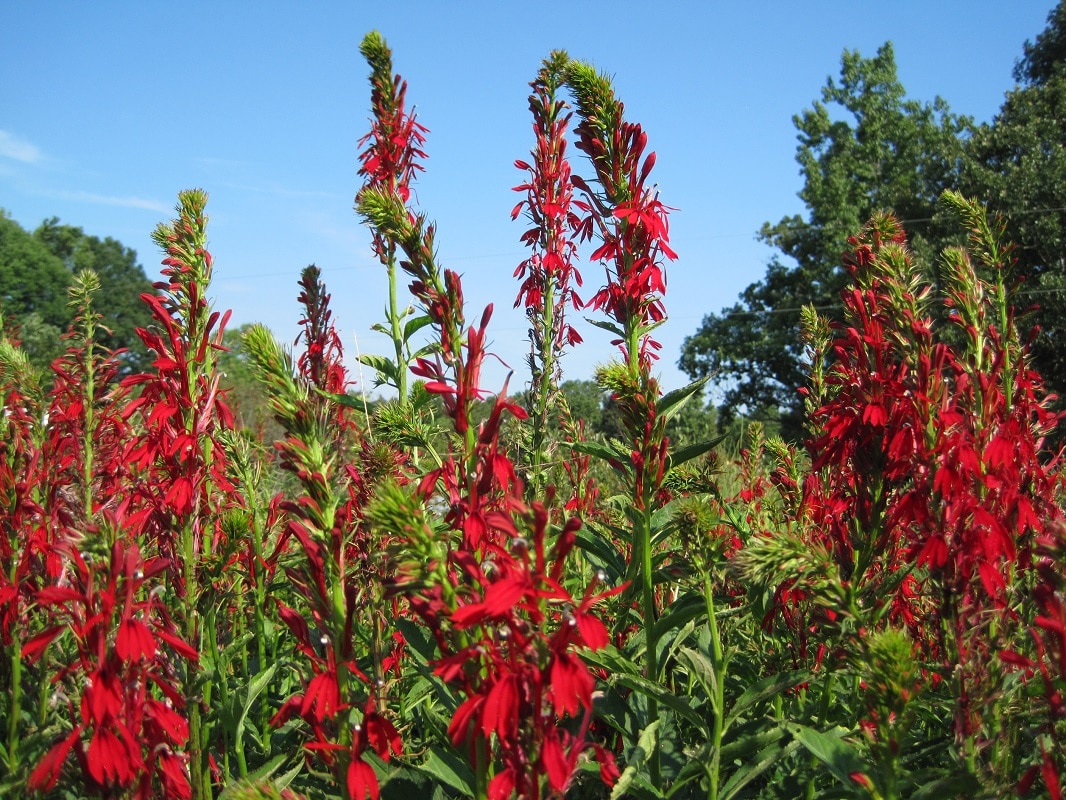
The Red Beacon
Finding true red in a native garden is rare. The Cardinal Flower is the exception.
It shoots up distinct spikes of scarlet red flowers that look almost tropical.
While it peaks in late summer, in cooler Midwest zones, it often holds color well into early autumn.
Why it thrives:
It needs water.
This is perfect for rain gardens or near a downspout. Do not plant this in a dry sandy spot.
Pollinator Bonus:
Bees cannot easily see red, but hummingbirds can.
This is the #1 magnet for Ruby-throated Hummingbirds in the Midwest.
8. Eastern Wahoo (Euonymus atropurpureus)
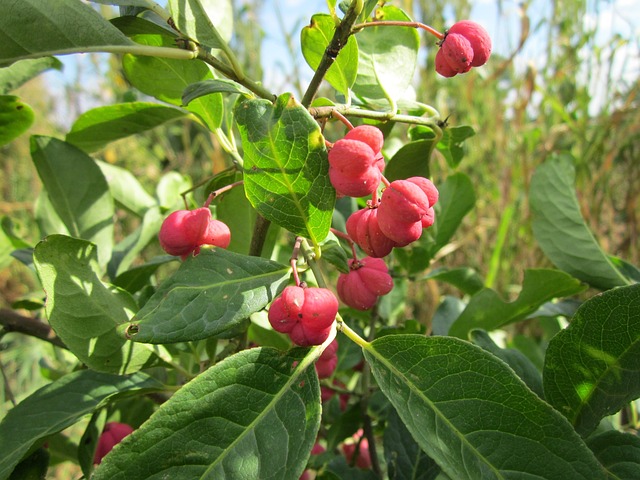
The Autumn Surprise
Okay, technically this is a large shrub, but it is essential for Midwest color.
While it has small flowers in spring, the real show happens in October.
The leaves turn a pale yellow, and it produces bizarre, hanging pink fruit capsules.
When the capsules split open, they reveal bright crimson red seeds.
Why it thrives:
It is naturally found in Midwest woodlands.
It handles partial shade better than most prairie flowers.
Design Tip:
Use this to replace the invasive “Burning Bush” in your landscape.
It provides better color and is actually good for the ecosystem.
9. Witch Hazel (Hamamelis virginiana)
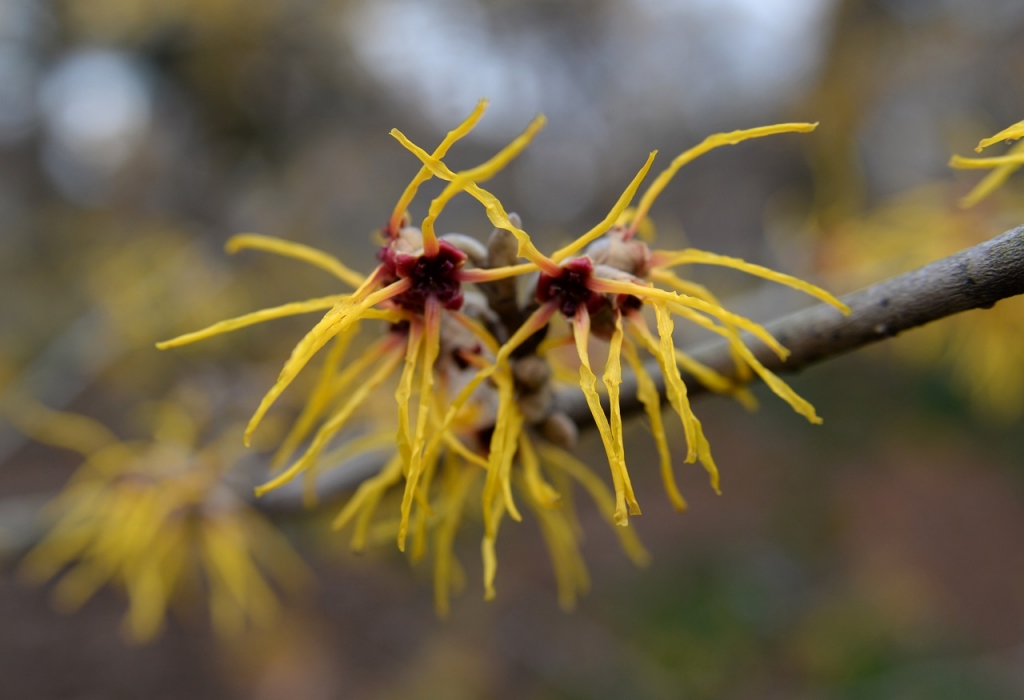
The Winter Defier
This plant breaks all the rules.
While most plants are going dormant, Common Witch Hazel is just waking up.
It is a small tree/shrub that blooms in October, November, and sometimes December.
The flowers look like crinkled yellow ribbons or spiders crawling on the branches.
Why it thrives:
It is immune to early frosts.
It evolved to be pollinated by winter moths (owlet moths) that are active on cold nights.
Design Tip:
Plant this where you can see it from your kitchen window.
It catches the low winter sunlight beautifully, making it glow like gold.
10. Blue Sage (Salvia azurea)
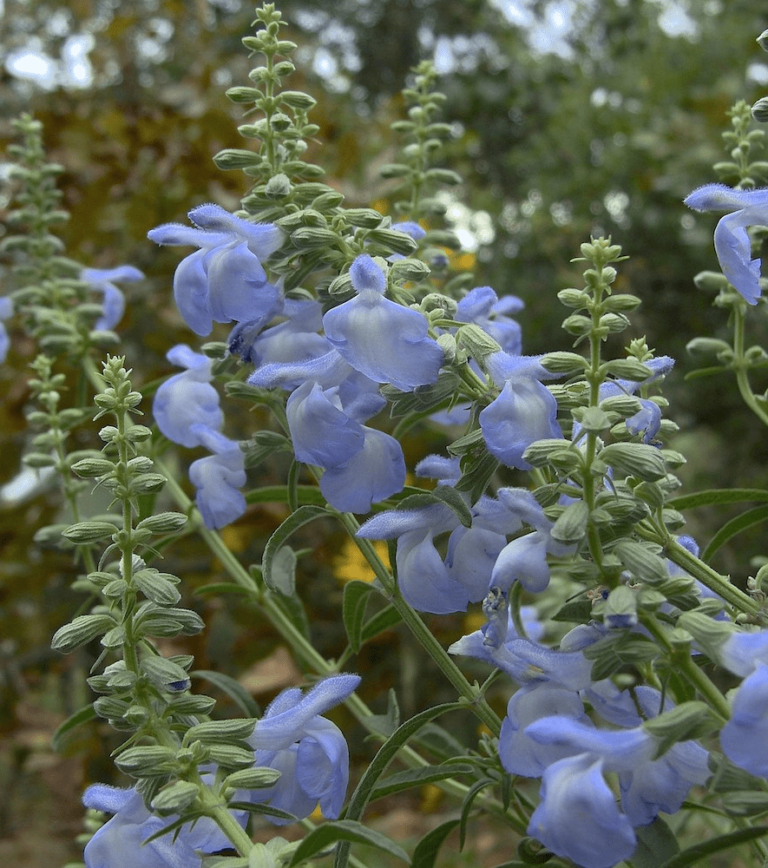
The Sky Mirror
True blue is the hardest color to find in nature.
Blue Sage offers clear, azure blue flowers that match the crisp October sky.
It looks delicate, but it is deeply tap-rooted and drought tolerant.
Why it thrives:
It loves the dry, rocky prairies of the plains.
If you have poor soil where nothing else grows, Blue Sage will be happy.
Design Tip:
It can get tall and floppy.
Plant it in the middle of a cluster of sturdy grasses (like Little Bluestem) to physically support it.
Designing with Native Plants: The “Drift” Technique
Now that you have the list of the top 10 fall blooming native plants in the midwest, how do you arrange them?
Do not plant one of each. That looks messy and chaotic to the eye.
Use the “Drift” technique.
Plant in odd-numbered groups: 3, 5, or 7 of the same plant together.
For example, plant a drift of 5 Goldenrods next to a drift of 3 New England Asters.
This creates “blocks” of color that are impactful from a distance.
It also makes it easier for bees. They can visit 5 flowers without having to fly across the entire garden.
Fall Cleanup: The Lazy Gardener’s Guide
Here is the best news about growing these natives.
The best way to maintain them in the fall is to do nothing.
Traditional gardening tells you to “cut everything back” in November.
Do not do this with natives.
1. Leave the Leaves:
Let the dried leaves and stems stand all winter.
Many native bees hibernate inside the hollow stems of these plants.
2. Winter Architecture:
The brown seed heads of Ironweed and Black-Eyed Susans look stunning against white snow.
They add structure to an otherwise flat winter landscape.
3. Bird Feeder:
Goldfinches and Juncos will eat the seeds from these plants all winter long.
It is a free, natural bird feeder.
Wait until late Spring (when temperatures are consistently above 50°F) to cut the old stems back.
Conclusion: Embrace the Fade
Gardening in the Midwest is not about fighting the climate. It is about embracing it.
By planting these native species, you are syncing your home with the natural rhythm of the region.
You get a garden that explodes with color when the rest of the neighborhood is turning brown.
You save water. You save pollinator lives.
And honestly, you save yourself work.
Pick three plants from our top 10 fall blooming native plants in the midwest list and get them in the ground this season.
Your October self will thank you.
Read Next:
- [Native Plant Gardening by US Region: Best Native Plants for Midwest Gardens]
- 15 Hard-to-Kill Low Light Plants for Dark Apartments in 2026 (The Ultimate Guide)
- [The Lazy Guide to Winterizing Your Garden]
Related Articles



About the Author

0 Comments