Top 10 Native Plants for Autumn Color in the Midwest: Beyond the Burning Bush

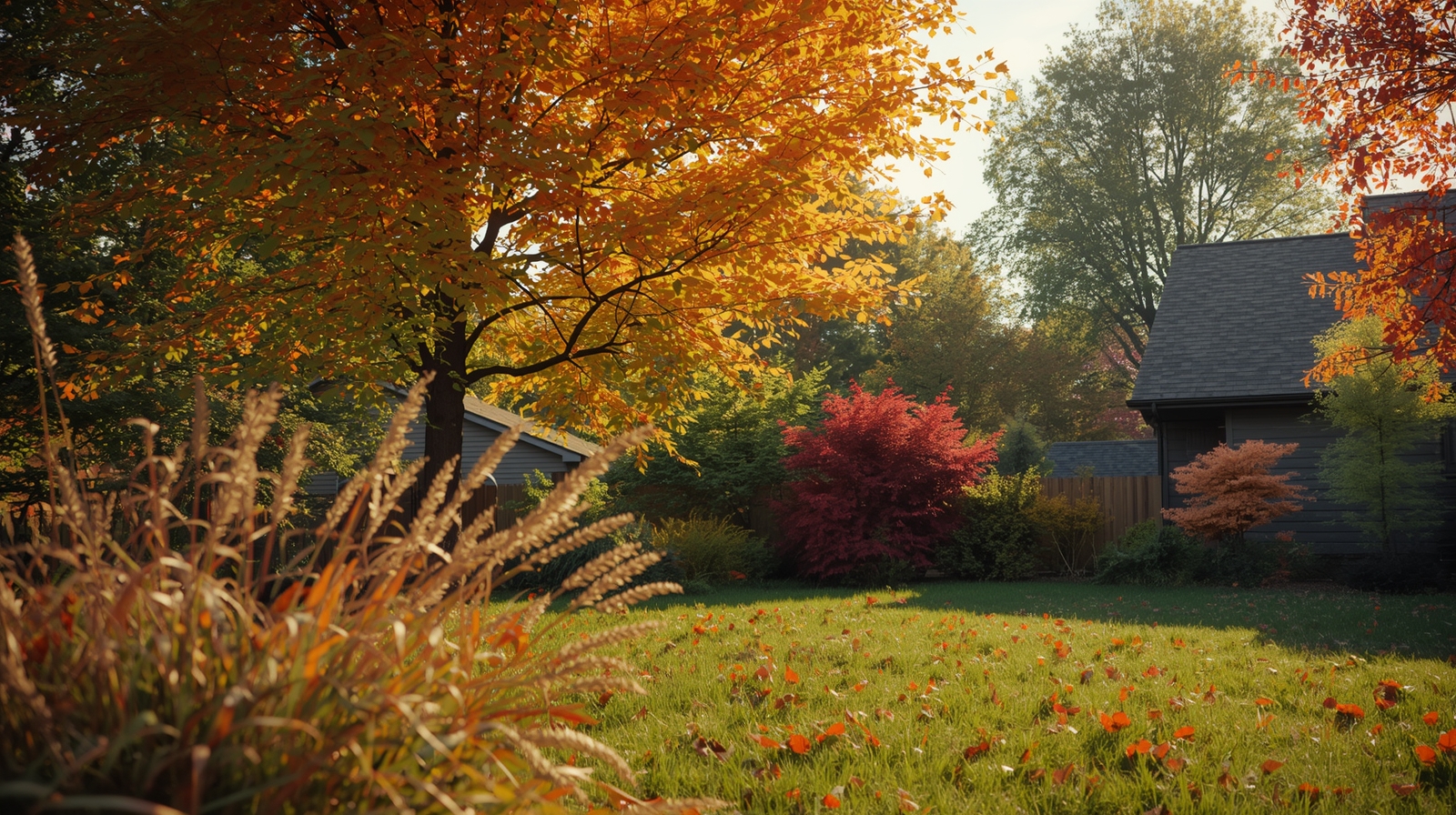
When we think of fall color, we usually think of New England.
But anyone living in the Heartland knows that a Midwestern autumn rivals anywhere in the world.
The problem is that for decades, landscapers have relied on non-native cheats to get that color.
They planted millions of “Burning Bushes” (now invasive) and “Bradford Pears” (which smell terrible and break easily).
You do not need these invasive species to get a spectacular show.
The Midwestern woodlands and prairies are filled with trees, shrubs, and vines that turn brilliant shades of scarlet, pumpkin orange, and deep russet.
Choosing the top 10 native plants for autumn color in the midwest is not just an aesthetic choice. It is an ecological one.
These plants feed the birds with late-season berries and shelter wildlife from the coming snow.
Here is your guide to replacing the generic imports with the stunning, native palette of the Midwest.
1. Sugar Maple (Acer saccharum)
The King of Fall
We cannot start a list of the top 10 native plants for autumn color in the midwest without the monarch itself.
The Sugar Maple is responsible for the legendary “fire” canopy of the Northern Midwest.
Unlike other trees that turn brown and drop, the Sugar Maple turns a fluorescent mix of burnt orange, bright yellow, and red—often on the same branch.
Why it thrives:
It loves the cool climate of zones 3-6.
It is shade tolerant when young, meaning you can plant it under existing trees.
Landscape Tip:
This is a large tree (up to 75 feet). Do not plant this right next to your house foundations. Give it room to become a legacy tree for your grandchildren.
2. Fragrant Sumac (Rhus aromatica)
The “Burning Bush” Killer
If you love the look of the invasive Burning Bush but want to be a responsible gardener, Fragrant Sumac is your answer.
In the summer, it is a tidy, blue-green shrub.
But in October, it lights up.
The leaves turn a glossy, deep scarlet and maroon that is visible from block away.
Why it thrives:
It is incredibly tough.
You will often see wild Sumac growing on the side of highways in poor, rocky soil. It requires zero fertilization.
Landscape Tip:
Choose the cultivar ‘Gro-Low’ if you want a groundcover version that hugs the earth, creating a carpet of red leaves.
3. Black Gum / Tupelo (Nyssa sylvatica)
The Underrated Showstopper
This is the tree that makes neighbors stop their cars and ask, “What is that?”
The Black Gum (or Tupelo) has a very distinct horizontal branching habit.
In autumn, its leaves turn the most intense shade of shiny crimson red imaginable.
It is often the first tree to turn color in the fall, signaling the start of the season.
Why it thrives:
It tolerates wet, poorly drained clay soil—a common headache for Midwest homeowners.
It has a deep taproot, making it very wind-resistant during prairie storms.
Landscape Tip:
Because of that deep taproot, it is very hard to transplant. Pick your spot carefully, because once you plant a Tupelo, it is staying there forever.
4. Virginia Creeper (Parthenocissus quinquefolia)
The Living Wall
Often confused with Poison Ivy (remember: “Leaves of three, let it be; Leaves of five, let it thrive”), Virginia Creeper has 5 leaflets.
This dominant vine climbs fences, trellises, and brick walls.
While it is green and lush in summer, in autumn it turns a flaming translucent red.
Why it thrives:
It is aggressive and fast.
If you have an ugly chain-link fence or a dead tree stump, this vine will cover it and turn it into art in two seasons.
Landscape Tip:
Be careful planting this near wood siding, as it adheres with little adhesive pads. It is best suited for brick, stone, or garden fences.
5. Serviceberry (Amelanchier arborea)
The Four-Season Wonder
The Serviceberry (also called Juneberry) is the hardest worker in the garden.
It gives you white flowers in spring. Edible purple berries in June.
And in fall, it provides a stunning display of orange, red, and gold foliage.
It is arguably the most versatile of the native plants for autumn color in the midwest.
Why it thrives:
It is an “understory” tree.
This means it is happy growing in the partial shade of larger Oaks or Maples in your yard.
Landscape Tip:
Because it is smaller (15-25 feet), it is the perfect “front yard tree” that won’t overwhelm a small suburban bungalow.
6. Prairie Dropseed (Sporobolus heterolepis)
The Golden Wave
We cannot ignore grasses. The Midwest is prairie, after all.
Prairie Dropseed is an ornamental grass that forms a refined, fountain-like mound.
In late autumn, the grassy blades turn a deep, rich pumpkin-orange/gold.
Why it thrives:
It is drought-proof once established.
When the sun hits a frost-covered Dropseed in November, it glows like copper wire.
The “Scent” Bonus:
In late summer/early fall, the seed heads release a fragrance that smells exactly like hot buttered popcorn or cilantro.
7. Sassafras (Sassafras albidum)
The Tie-Dye Tree
Sassafras generally has three leaf shapes on the same branch (oval, mitten, and dinosaur footprint).
But its fall color is even more varied.
A single Sassafras tree can display yellow, orange, pink, and purple leaves all at the exact same time. It looks like a watercolor painting.
Why it thrives:
It is native to the woodland edges of the Midwest.
It forms colonies, so if you have a large backyard, it can create a beautiful natural grove over time.
Landscape Tip:
The female trees produce dark blue berries on bright red stalks, which conflict and contrast beautifully with the orange leaves.
8. Little Bluestem (Schizachyrium scoparium)
The Rusty Red Grass
Another grass essential for the top 10 native plants for autumn color in the midwest.
While Prairie Dropseed goes gold, Little Bluestem goes red.
Throughout the fall, the blue-green stems transition into a mahogany-red, turning to a rusty tan in deepest winter.
Why it thrives:
It loves abuse.
If you have a sloping hill with terrible dry soil where the hose doesn’t reach, plant Little Bluestem. It will love it there.
Landscape Tip:
Plant this in masses (groups of 5-10). A field of Little Bluestem swaying in the crisp autumn wind is the quintessential image of the Midwest.
9. White Oak (Quercus alba)
The Late Season majestic
The White Oak is the state tree of Illinois for a reason. It represents strength.
While Maples drop their leaves in October, Oaks hold on late.
They turn a deep, rich russet-red to wine-red color in November.
Some young oaks even hold their dried leaves through the winter (a process called marcescence), providing rustling sound and color against the snow.
Why it thrives:
It is a slow grower, but it is built for the long haul.
It supports more caterpillar species (over 500) than any other tree, feeding the entire ecosystem.
Landscape Tip:
This is a legacy tree. Give it a 30-foot circle of space. Do not crowd a White Oak.
10. Red Chokeberry (Aronia arbutifolia)
Leaves and Berries
We end the list with a shrub that offers a double-punch of color.
The Red Chokeberry is famous for its clusters of glossy red berries that persist into winter.
However, the foliage is equal to the fruit.
The leaves turn a vibrant raspberry red/purple in the fall.
Why it thrives:
It tolerates wet soil and clay.
It stays a manageable size (6-8 feet), making it perfect for foundation plantings or hedges.
Landscape Tip:
Use this to replace non-native privet hedges. You get the screening, but you add brilliant seasonal color.
How to Layer for Maximum Impact
To get that “Magazine Look”, you need to mix these native plants for autumn color in the midwest.
Do not just plant trees. Layer them vertically.
The “Midwest Fire” Recipe:
- Back Layer (Tall): Sugar Maple (Orange/High)
- Middle Layer (Eye Level): Fragrant Sumac (Red/Medium)
- Ground Layer (Low): Prairie Dropseed (Gold/Low)
When you look at this combination in October, you get a solid wall of three distinct colors and textures.
Conclusion: Color with a Purpose
Changing your landscape to include these natives does more than boost your home’s curb appeal in October.
It reconnects your piece of land with the history of the Midwest.
These plants are not guests; they are residents.
When that glorious crisp air arrives and the “Sweater Weather” begins, your yard will not just be dying back for winter.
It will be waking up for its grand finale.
Start small. Replace one invasive bush with a Fragrant Sumac this year.
Watch the difference in color, and watch the birds return.
Read Next:
Related Articles



About the Author

0 Comments